Montana Plaintiff Lawyer Keif Storrar Explains His Firms Approach to DIY Focus Groups
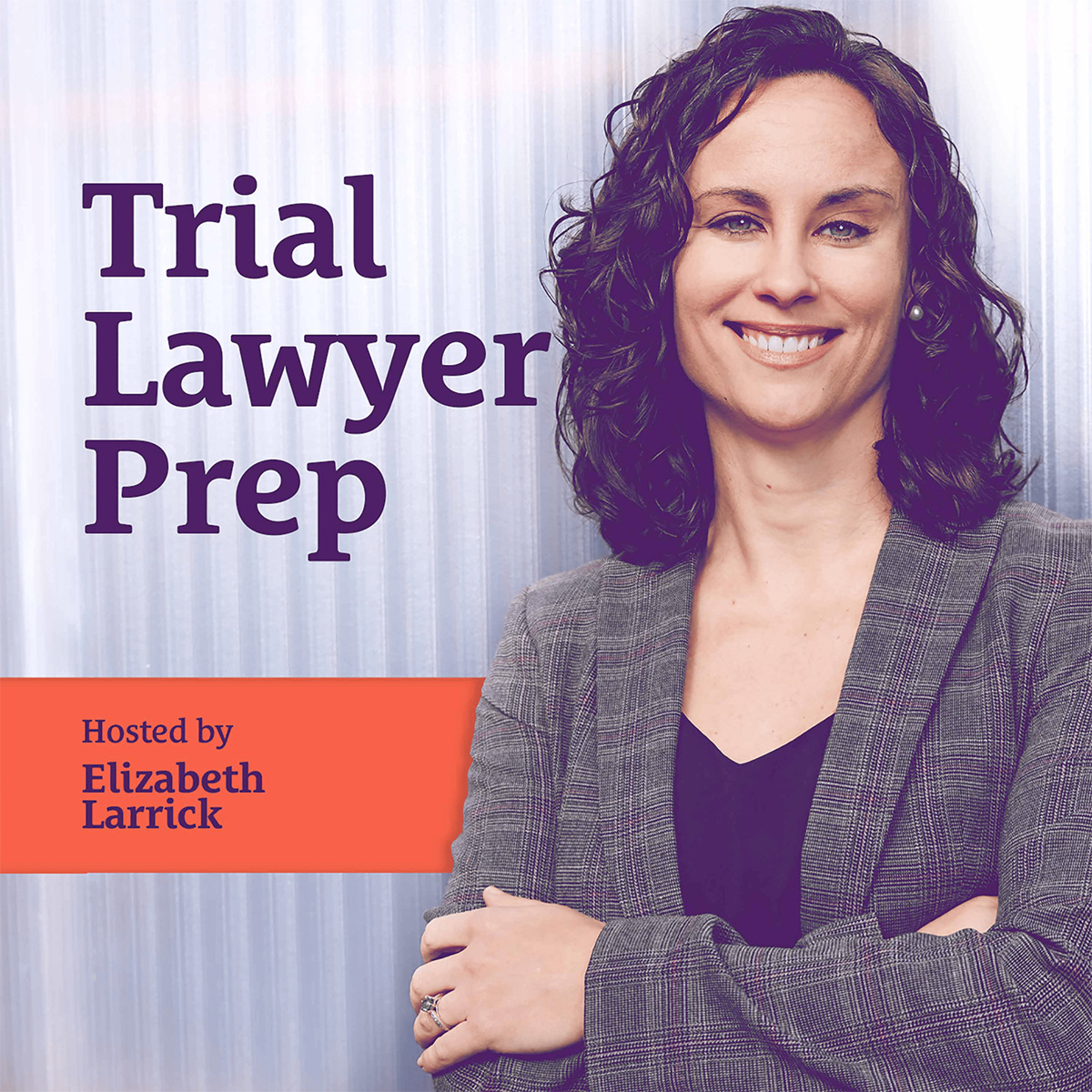
What if rethinking your approach to trial preparation could transform your outcomes in court? Join us as we uncover the journey of Keif Storrar, a partner at Doubek, Pyfer & Storrar, who revolutionized his firm’s use of focus groups after attending Don Keenan’s Edge Colleges in 2018. Keif walks us through the shift from using focus groups sporadically for catastrophic injury cases to a more systematic and frequent application. Learn how his firm navigated the transition to virtual formats during the pandemic, the logistics of consistent implementation, and the intriguing possibility of creating a dedicated business entity for managing focus groups.
Keif also shares invaluable strategies on leveraging focus groups for witness credibility, case development, and testing deposition clips. This episode dives into the evolving landscape of online survey focus groups, offering a wider audience perspective on damages, and the critical importance of honing case themes early. We tackle the nuts and bolts of running virtual focus groups, emphasizing effective recruitment and fraud prevention. If you’re looking to refine your approach or start fresh with focus groups, we provide practical tips and strategies to streamline the implementation process.
In this episode, you will hear:
- The logistics and benefits of implementing focus groups regularly
- Evaluating witness credibility and shaping case development
- The advantages of using focus groups to test deposition clips
- Virtual focus group recruitment strategies
- The differences between virtual and in-person recruitment
Follow and Review:
We’d love for you to follow us if you haven’t yet. Click that purple ‘+’ in the top right corner of your Apple Podcasts app. We’d love it even more if you could drop a review or 5-star rating over on Apple Podcasts. Simply select “Ratings and Reviews” and “Write a Review” then a quick line with your favorite part of the episode. It only takes a second and it helps spread the word about the podcast.
Supporting Resources:
Would you like to talk to Keif about his focus group experience? Have a case in Montana?
You can contact Keif by email: keif@lawyerinmontana.com
Website: https://lawyerinmontana.com/keif-storrar/
Are you interested in taking my online course: Virtual Focus Group Foundations Workshop?
Please register for my email list and you will receive the announcement when the course is offered again.
Register here: https://larricklawfirm.com/connect/
Episode Credits:
If you like this podcast and are thinking of creating your own, consider talking to my producer, Emerald City Productions. They helped me grow and produce the podcast you are listening to right now. Find out more at https://emeraldcitypro.com Let them know I sent you.
Episode Transcript:
Elizabeth Larrick: Hi there. It’s Elizabeth. I want to jump in real quick before this episode starts and tell you a little bit about my guest, Keif Storrar.
Keif practices at Dobeck, Pfeiffer, and Storrar in Helena, Montana. Now, Keefe is originally from Idaho, but he came to [00:01:00] Montana for college, end up getting a bachelor in science and wildlife. And of course, went to the university of Montana school of law and joined the environment law group there. He actually got to clerk, uh, with the honorable Kirk Krueger in the second judicial district court and eventually made his way to Dobeck, Idaho.
Fifer and Storrar where he serves as a partner, you’re going to hear a lot about Keif and his opinions on focus groups. If you want to reach him, his contact information will be in the show notes. All right. Enough of me. Yep. Yeah. And let’s get to the episode. Hello and welcome back to the podcast. Trial lawyer prep.
I’m your host, Elizabeth Larrick, and we are here to talk all things focus groups, trial prep, witness prep, to help you do better in your cases. And this episode, we have a guest joining us, Keif Storrar from [00:02:00] Helena, Montana. Hello, Keif. How are you?
Keif Storrar: Good. How are you?
Elizabeth Larrick: Awesome. Thank you so much for joining the podcast.
I want you us to have this great conversation about. focus groups and I wanted Keif to come on because I’ve known him for many years. If you haven’t known or you just started listening, I really love Montana and I had this awesome experience of being asked multiple times, I’m not sure how, to talk at the Montana Trial Lawyers Association, which is where I met Keif and have really been in contact with for several years.
So I thought, you know what, you guys are doing focus groups, come on and let’s tell people about your perspective.
Keif Storrar: Well, I’m happy to be here and it’s always lovely to have you in Montana. I think everyone appreciates the insight you give to our trial errors group when you do speak at our events. So thanks again for coming.
Elizabeth Larrick: Absolutely. And I’m happy to always do that, which, you know, not to plug, but I’m always happy to talk to anyone’s TLA. If you’re out there and you need a, [00:03:00] you need a speaker fill in and you’re the CLE director, don’t give me a call. All right, let’s talk about the task at hand, which is focus groups. So, you know, keep, tell us a little bit about kind of your practice area and really when you kind of started doing focus groups.
Keif Storrar: Sure. Well, actually, I started with this firm in 2015, and at that point, they’d already started to do a few focus groups. I mean, not a lot. And obviously, the way that they’re done has changed dramatically since then. But, you know, it was when generally when we had a more catastrophic injury type case, we would do a focus group on damages and then show that to the adjuster to say, Look, you know, here’s what normal people are valuing this case and, you know, to try to get the value up and frankly, it worked, you know, on some of these cases, I think it worked.
I was really new to the to the entire thing. We eventually had our office wired up so we [00:04:00] could secretly watch focus groups in a separate room while someone else conducted it. So that was 2015. They maybe started a year prior to that. So that’s how long firms been doing it. Maybe 10 years with that. We weren’t doing them regularly.
You know, it might be once every. Six months or something like that when you have these bigger cases and these big issues you really wanted to figure out and then I first took the focus group course from Don keenan’s edge colleges Back in 2018 in atlanta. I flew back and took it there and it kind of revived Or change.
I guess I should say the way we did it. And at that point, I started conducting a more on, you know, sort of the smaller issues and things like that and trying them out. That way, you know, maybe doing two or three focus groups in a two hour session on different cases and on liability or things like that, but just like the general narrative type focus groups, [00:05:00] so it kind of evolved.
And then, frankly, the pandemic came along and we stopped the pandemic. We didn’t have a big list. We would kind of go to the job service. We post on some job boards, but locally to find people locally and have them come into our office. But we’ve had never run a virtual focus group. And frankly, I still have never personally run a virtual focus group through our firm, you know, organizing it.
I always end up tagging along to someone else that’s got the system in place to organize and, and that sort of thing. And so, um, that’s sort of our evolution of focus groups. And I’m still, At the point where we need to probably just get our firm on board to have our own business separate entity to help run them.
Because I think that’s the next step virtually to
Elizabeth Larrick: right, right, right, right. Yeah, well, let’s unpack that. That was that was awesome. I appreciate that because I really feel like that perspective is very similar to most people because you don’t get, you know, you’re waiting for the [00:06:00] bigger cases. You’re not doing them regularly.
You’re doing them kind of sporadically. And I think that’s actually the norm, right? I don’t, I don’t think most people, unless they really had the mentor or came up with the, you know, through the system of whatever, you know, trial technique that kind of got you on board to doing those, whatever that may have been.
And I think it’s pretty normal. So that people kind of do them really leaning towards damages, unless you had like, You’re going to trial and you just really need to make sure you’ve got liability all pinned up. And then I think that, you know, having the flexibility that, you know, the focus groups kind of offer under the, the edge system is really where a lot of people are, are, Oh, okay.
There’s lots of ways to run these. And like you said, do three cases in two hours, right. And be kind of management on the time part of things. And then now we have this, new opportunity. Now, granted, it’s really not new. Like Zoom’s been around for a while. So, but I think it’s new to us. Right. And also, [00:07:00] you know, it’s new to everybody around us.
The pandemic really opened up that technology for everyone. Right. So
Keif Storrar: you go
Elizabeth Larrick: to the doctor on the, you get, you see your financial advisor, you, You know, pretty much anyone you can just zoom with instead of going in person. So it’s really helps. I think, like you said, post on job boards, find people, and most of people already have the technology cause they’ve been using it.
So tell me a little bit about, so creating your own systems. You guys had one, you know, what are the benefits of just having your own in house system?
Keif Storrar: Well, I think the benefits are one it’s. It’s cost savings, you know, I mean, we’re not paying for someone else to, you know, pay their employees to do the tasks that our employees could do.
And so you can make the focus groups a little bit cheaper. And then, you know, I think it’s just having more control over the process. You can run ’em when you want. I think that’s probably the biggest thing, because I know [00:08:00] you can probably, I guess in Montana we’re probably more limited with our focus groups.
You know, we don’t have entire industry built up around it. There’s really only a couple people. Well, actually, probably one in the state that’s sort of the main focus group is Seventh Amendment productions, and they do a good job organizing and that sort of thing. But, you know, you’re limited to, you know, you can’t run one Quite as easily, you know, I, I guess what I’d like to do, and we were never at before, but what I’d like to do eventually, you know, I’m kind of like developing my, you know, business strategy, five year plans and what I want in two years and three years.
And, but what I’d like to do within the next. year or so is have to focus groups a month on various cases on various issues so that I can really help develop the issues within the case and find out what people care about so I can, you know, go down that road of the [00:09:00] discovery I need or the deposition type things I need to ask if people are interested in that, you know, as like case development stuff, which I really haven’t.
Just haven’t done on my focus groups, and I’m really wanting to move into that thing. So I think having them in house, it lets us plan. Okay, we’re on a regular basis. We’re gonna conduct focus groups. And so, yeah, that’s the reason we well, I want toe have that strategy is part of our firm policies and strategies or whatever.
Elizabeth Larrick: Sure. And I think the other thing that a lot of people talk about as a benefit is it makes you get back into your file and dig around and create that presentation versus giving it handing over to somebody else. Well, it’s, it’s great to do that to get another perspective, but most of the time when you’re doing it in house, you are taking a different look at it, no matter what, because you’re thinking, okay, I’ve seen this thing, you know.
Many, many months, right? But now I’m going to go talk to a brand new set of people who are not lawyers and I have to create [00:10:00] this presentation. So it really gives you right a whole nother dig into it. Especially if you’re, you’ve got some staff that are helping you too, right? Because they’ll, you know, once everybody kind of gets acclimated to doing focus groups there.
It’s much easier for them to say, oh, hey, you got plaintiff defended all over this thing. Don’t don’t forget to take that out. Right. Just just use names, you know, it’s like, oh, right. So it’s like little catches of things that when you do them on your own, you’re going to find. And the other thing that I always hear from folks as well, who like to do their own is like, you know, They want to be the ones to really get in there and get that feedback right to them because that helps them, you know, talk on their feet, get, you know, be, you know, really start to communicate well, but also there’s something about that interaction that really helps you as a trial lawyer, be on your feet, on your toes, right?
You’re ready, and you’re not really arguing with them, but you’re, it’s, it, you know, it’d be just like, You know, talking to judge or mediator, right? [00:11:00] You have to listen very well and then like turn, you know, ask for more, do whatever. So I know that people enjoy doing on their own so they can get the benefit of that, that residual, you know, skills benefit.
Keif Storrar: And that’s the one thing, I mean, I, I think I love the most about focus groups is you get to ask. You never really provide an answer. You know, I always just throw a question back at them or why is that important? Why do you need that? And then you like, just skip this. You unlock this sort of Pandora’s box of incredible information that he didn’t think of when I was looking at this aspect of my case going, Oh, my God, I missed this entire thing that they want to know about.
So, you know, then you can dive into it. And I think that’s just an incredible thing. Plus what you said, you know, thinking on your feet, all those skills transfer. Cause I get stuck behind my desk, like everyone freaking writing emails to insurance adjusters and other attorneys. And it’s just like. So monotonous, it really breaks that monotony and helps, you know, just polish your other skills, I [00:12:00] guess,
Elizabeth Larrick: use them.
I mean, cause like you said, unless, you know, you’ve got a really high volume motion practice, which most people don’t, because that’s a whole drain and other self, you’re really not, there’s not a lot of opportunity, you know, to get on your feet on depositions or one place, but that’s very different than, you know, focus group presentation.
And I think that you, the thing too that you talked about that I want us to kind of dive in a little more is that whole opening of using little snippets, little pieces of focus groups to help you get on the right track for asking discovery, right? Questions and then getting, thinking through like depositions and what they want to hear.
And is this a good question or a bad question? So tell us a little bit about kind of like that process and what gets you excited about that?
Keif Storrar: Yeah, I think it’s just. You know, everyone said you, you know, you think like a lawyer. You don’t think like normal people. And I’m always amazed when you sort of unpack a focus group and what they’re saying.
I mean, you get this incredible [00:13:00] information on, on like opinions or it’s like a bias that lives underneath. that you don’t know exists on your case until you start to, you know, dive into those questions and follow up with the focus group members. But I think the nice thing about using them in a more limited way is, you know, you can show them a witness.
You know, that you videotaped and say, what do you think about this guy ? And, and let them just unload. And you can find out if it’s a good witness, a bad witness. You can put your deposition of your plaintiff if you want your, your own client say, is this, you know, good testimony? Is this believable? I mean, what are your opinions?
And you can really just think about. I mean, as you’re developing your case, you’re also developing your case for trial. And so you want to know, you know, is what this guy said believable? You know, even though in your mind and all the paperwork you have, it’s what they say is a total lie. But how are you going to present that to a [00:14:00] jury?
And did it come across properly in the deposition questions you asked where you thought you nailed them? You know, did they really have a gut reaction of, Oh my God, that guy’s a liar. Or did they say, That’s just a normal excuse. Everyone says that and they’re going to give them a free pass. And so that’s the nice thing about sort of using them as a smaller sort of piece of your case.
Exactly. And say, well, let’s talk about this puzzle piece today. Honestly, I’ve never focused group the case 10 times prior to trial. You know, maybe I’ll get there someday, man. But you know, if you do it three or four times, even two times, you get incredible information on how people are going to think about your case.
Even if it’s just a piece or two of the case that are important for like liability facts, you really want to make sure it gets, gets people frustrated or mad about, you know, so that you can have, you know, get them on board for liability, you know, that sort of thing. So, and again, I haven’t really [00:15:00] gone back to the damages side for, for to, to develop that aspect of the case.
I have used Since the pandemic, some of these like online survey focus groups where they send it out to like a hundred people. And I found that those have been a little bit better for damages because it allows me to like you present both sides of the case and you can make it more defense oriented or less defense oriented however you want it but I usually try to make it more defense oriented with a survey of business the plaintiff’s attorney is asking for this much money is that appropriate and then you get a bunch of responses and kind of the easy summarized results from 50 to 100 people and I think that can be Maybe more useful on damages.
I haven’t found the smaller, you know, six to eight quite as useful because I, the live ones, because they start to play off each other. And, and then I kind of get [00:16:00] lost in the discussion on what’s, what’s reasonable, but I feel like the survey ones, which, you know, I don’t do, and I would probably never be able to do, you know, but those ones are just another interesting type of focus group that I think can be useful as, you know, your, you know, quiver of arrows there.
Elizabeth Larrick: Absolutely. And those are becoming so much more, I won’t say, like, I think they’ve been around again, zoom. We just didn’t like, you know, it’s, you know, us lawyers, sometimes we can get in our little cubby hole, you know, and like, oh, no, we can’t, we must go in person. No, no, we cannot, you know, judges don’t want to.
Yeah. And now, like, there’s, you know, oh, look at all this technology and availability, which means now that there’s, yeah. Oh, it’s a, it’s much more acceptable. There are a lot more companies now that are doing the, the data studies that are not, you know, this 5, 000, you know, person study. Like you said, they’re down to 100 or 50 people.
Um, it’s a lot more manageable for you as first, like deciphering and [00:17:00] figuring that stuff out. And those are a hundred percent, you know, helpful for, for damages. And one of the things that, you know, you mentioned for doing kind of like the puzzle piece, you know, kind of focus group is, you know, doing the depo clips.
And one of the things that I always find eye opening when we do them is like, they will totally sometimes just side with the, with the, with the witness because they’re like, well, I don’t like that lawyer’s question. You’re thinking, well, that was my question and that’s why I’m always like, okay, this is great because, you know, it’ll be a contested liability.
And this witness is not, you know, as from our lawyers eyes are not answering the question. They’re being evasive. But when you show the clip. It all goes back to, well, that lawyer’s just badgering them. That lawyer’s just being mean. That, you know, that question was not good. It’s just like, oh, right. And so, and most of the time they’ll say, hey, that lawyer should have asked this question.
And it’s like, okay, how, who else, you know, you get all [00:18:00] these questions that you’re like, okay, so can really help you kind of hone in for cross. Or when you go to that next witness, whether it be the 30B6 or the supervisor or the, you know, another. Somebody on the, on the defense side, like you could have some of these questions to ask, and it becomes very helpful for putting together that case theme or that frame that you’re trying to put together, you know, that’s the thing that I always tell people, like, you don’t really want to wait to the end to test your case frame.
Like you could get it kind of early on and keep the, you know, it’s like putting bumpers on the, when you’re bowling, right?
Keif Storrar: Exactly. So you’re going to
Elizabeth Larrick: hit the pins.
Keif Storrar: Yeah, at the end, you know, I found also that there’s just a different way that, you know, you might speak to a jury about a legal issue. You have to address in your case for like, you know, what your jury instructions are going to say versus what a judge or defense attorney cares about.
So you can kind of say, okay, trial, I’m going to have to present this jury [00:19:00] instruction in this way. These are the facts or this is what they want, where it’s like the judge might want some sort of like three part test that you have to argue on summary judgment motion, which, you know, you have other evidence for, but you know, if you’re going to go to trial, you’re going to utilize what the focus group said on.
That particular jury instruction or a piece of evidence because you don’t connect with them in a different way than how it connects with the judge, you know, so
Elizabeth Larrick: exactly. And that’s another really great use of. You’re doing a focus group is like, here’s the jury instruction. How do we make sense of this?
Right? Like, what’s how do we say this in a normal person way? That way, when you get up there, you’re speaking like, like you said, directly to them. Not to, you know, you’re, you’re checking the boxes for the judge and everything too, but, you know, you’re really being able to speak to them and. And read their minds, which, you know, blows people away for sure.
Well, the other thing that I had for us to talk about was, I know that you guys are kind of, you know, you’re getting [00:20:00] your system back online, if you will, since the pandemic and you came to my foundations course. So tell me a little bit, what made you decide to come to the foundations course?
Keif Storrar: Well, I just, Well, I guess I found out maybe through one of your emails.
I’m not sure even how I found out about it. It must have been through one of your emails, but I wanted to do it because I want Our firm to start doing these more regularly and I want I know that that’s really the only way it’s going to happen is if we run it through the firm and I wanted to take the course because we’ve never run the virtual focus groups and I know there’s a whole recruitment side of it that you gotta learn and you know, even lots of great information in your course.
Like the how to prevent fraud. I mean, I didn’t even think about that until we had that as one of the workshop sections I don’t know maybe session two or three or something, but it was like talking about how to identify people because I didn’t even think about people from africa are going to try to freaking go to your [00:21:00] focus group or South america and you know get paid to you know, give an opinion on something that They’re going to have no connection to at all.
Elizabeth Larrick: They care. They’re living in a different
Keif Storrar: country. And so, I mean, and then, plus they might not show up. I don’t know. I mean, there’s all sorts of things, but how to sort of identify those people. And I think there’s a lot of interesting things that you’ve obviously learned and probably struggled with for, I don’t know, maybe a couple of years before you kind of figured out, okay, how do we prevent these people from overwhelming us?
You know? So I just know there’s a different strategy. It’s just not kind of recruiting people locally on Facebook through late Facebook classifieds and not, you know, calling the A to Z staffing folks to round up, you know, 10 people for an in person focus group. It’s just different. And it’s more complicated in a lot of ways.
But you can also do it, you know, from, I guess, the comfort [00:22:00] of your own home or desk. And then, you know, I wanted to take it first to make sure that it was getting back to your, I guess, a question of why did I want to take it? I wanted to take it because I wanted to, you know, Figure out how to do it virtually, how to recruit virtually.
That’s my biggest question going into it is how the heck do I even start recruiting for this on the virtual space? Because, I mean, I know how to use all this stuff, but I’m not out there posting on Facebook and Instagram every day. So what are the sort of things we need to figure out how to recruit people for it?
And so I think that was the most important for me. And just sort of get the system back going and in place so that we can be up and running here, you know, within six, eight months or something. So that was the purpose. And then I, I liked what you said enough to kind of motivated me again to say, yeah, this is what we want to do.
And it was a great sort of reintroductory tutorial. And so actually my staff, I’m having them rewatch the workshops right now so they can go. [00:23:00] Understand what’s going on. Then I’m going to have them probably your next one. Take it from you in person so they can refine their questions because I think that’s the, you know, it’s going to take that to get us going.
You know, so
Elizabeth Larrick: good. So find it beneficial. Did it help?
Keif Storrar: Oh, very beneficial. Oh, it definitely helped. Yeah, I mean it. I mean, I gotta thank you for just putting it on because it’s. I don’t know. I guess I’m not out there searching the internet for these things. I get a lot of my like stuff so much promotions through the dream mail, but this is really only one that I feel like I don’t know if i’ve gotten another focus group promotion through email, but it’s definitely worth it Taking the course because I mean, if you’re interested in it and you want to do it because it’s a step by step outline and how to put these things together, which otherwise I know that I would just struggle through over and over and over.
And this puts me, you know, 10 steps ahead in the right direction. So, and that’s what I wanted.
Elizabeth Larrick: Yeah, I don’t want people to struggle like I did, [00:24:00] because trust me, when I started running it was like, we had three
Keif Storrar: people. I bet. I mean, I can’t imagine what you went through trying to figure out your strategy.
Elizabeth Larrick: Yeah, well, and it’s, you know, that’s the thing too, is like, you know, things, of course, I never anticipated that scammers would eventually, like, Oh, and then it was like, well, this is a new problem. I didn’t anticipate, you know, so I definitely want to pass that along to people because if the road gets bumpy, sometimes we just say, well, I’ve got so many other things that are difficult litigation like this.
Can’t, you know, all these other issues that we’re dealing with, like focus groups should be something that. Are, you know, manageable, pretty easy to put together. And then obviously, like you said, the fun part is like hearing them talk and being able to follow up, just like you said, and say, Hey, tell me more about that and just really being able to engage with them and just learn, you know, be a sponge and just learn from them and their point of view and just, you know, even if it’s different, even if it’s.
You know, completely off the [00:25:00] wall because even those one offs here and there, like does even that information and having that in your brain, when you do have to go to jury selection, you hear that person, you’re going to know, Oh, there was someone in my focus group. I know that this personality. Right. And so it’s like, you end up storing it back there.
It, you know, it, it’ll come back to you or someone on your team too. It was like, wait a second. We know this personality we’ve had before.
Keif Storrar: Exactly. Yeah, no. And yeah, I mean, going back to just the program itself that you put together, though, I mean, I was just thinking, because you said you have so many other things going on.
I mean, I know that if I don’t sort of set a deadline, my task is going to get lost in the pushback, pushback, pushback. And I knew that I needed sort of a pushback. More of like a policy book on how to get these things moving because otherwise I, I wasn’t going to develop it on my own. And I think that’s the probably the most beneficial thing.
I printed them out, you know, your little workbooks because. It gives you kind of step by step. Here’s what you’re going to do, how you’re going to do it. [00:26:00] And, and now I can sort of, now I can set a timeline for me and my staff to start moving into that direction. So, but yeah, I mean, overall, the, what you said, the information you get is just incredible.
We just don’t get that information even from friends and family because the way we’re explaining our case is bias and and then they like us and you know, so it’s just great to be able to present it in a way that you can get some really honest feedback about if you’ve got a good case or not, you know,
Elizabeth Larrick: yeah, that’s I mean, that’s half the battle too is just like they’re great for that that point to like, you know, Do I keep investing more money in this case?
Like,
Keif Storrar: yeah,
Elizabeth Larrick: that’s a lot of what people have to decide. And that’s so hard when you work on the plaintiff side, because you have to really manage that. And this is where I think people, we, we spend oodles and oodles and oodles and oodles and oodles of our time, but then we realize, oh crap, we’re just, we’re going to have to invest in that expert and we’re going to have to, but people just, you know, it’s really difficult because you’re, you’re on the line.
So [00:27:00] that’s where I love it in focus groups for them to kind of direct. What do you need? What do you not need? You know, and that’s another super helpful thing that just a very neutral focus group will tell you that people, they’re clueless about what the rules are for daycares, like, or whatever it may be, you know, whatever your case is.
So. Well, awesome. Well, Keif, do you have any advice? So we’re thinking about the listeners, folks who are listening, do you have any advice for any lawyers who may be on the fence about doing like these little small snippet focus groups or doing virtual?
Keif Storrar: I guess my advice would be, try it, you know, and if you can’t do it yourself, hire another person, you know, pay for the hour slot to have someone else run your focus group so you can watch it and see if it was successful, see if it got you what you wanted, and you know, working with people like you or these other folks that do focus groups a lot, they often have success.
Thank you. I mean, a whole background of knowledge of here’s how you want to present. Here’s how you don’t want how to talk about this issue. What type of focus group [00:28:00] you want to run. So, you know, if you’re on the fence, meet with someone like you, you know, Elizabeth first and have her go through your case and tell you the A or an A to the types of questions you have and have her run it or, or, you know, Maybe if you want to run it too, if it’s one of those where you rent out like the hour space in front of the folks, but you know, see if it’s something that works for you in your case.
And I mean, I would imagine 90%. Yes, you know, 99%. I mean, and the other thing is now everything can get recorded so easily, like auto transcripts come in like an hour and then you can freaking look at it. What people were saying. I mean, everything is so much easier virtually before I had to go back and rewatch.
I still will rewatch the videos, but you know, you get the transcript. You can do these quick summary. You can look back to later and folks like Elizabeth can show you how to do that so that you’re not having to scramble. to try to watch a two [00:29:00] hour video, you know, the week before a trial, you can go back to the focus group breakdowns and say, here’s what these people who thought were important or here’s, you know, this type of person is terrible for our jury.
You know, it’s a someone that just who knows whatever the categories are for us. a slip and fall, you know, or whatever daycare person and that you’re going to find people by analyzing the results and where you can focus your voir dire and figure out, you know, what’s a good person, what’s a bad person.
And right away, before you even go into voir dire, you know, that these 10 people on your jury pool of 60 fit the criteria of a bad juror. So you’re going to be real skeptical of them right off the bat because of some of the things that you get out of focus groups. So, I think that’s, you know, if you haven’t done them, go work with someone that has like Elizabeth and, you know, try it out.
I think you’ll find it to be beneficial.
Elizabeth Larrick: Yeah, try it out. I love that [00:30:00] because that’s really half the battle is Things change all the time for trial. Things change all the time for our, you know, plaintiff’s personal injury work. And it’s like, you have to be willing to kind of try something new that may be out there.
And there, like you said, there’s so many more pieces of technology that make it easier. Now, like you said, the transcript is immediate. I remember having to go and literally transcribe my own videos. Like, Oh my gosh, there’s gotta be a better way to do this. But now, like, you know, and even, you know.
Everything catches up eventually to kind of make it a little bit easier. So I do appreciate you. That’s some great advice. So just try it. Cause again, you know, there’s not been one where I haven’t run where somebody is not like, okay, all right, I got it. I learned, you know, even if it’s just like one nugget and sometimes the one nugget is, I got to sell this case.
Keif Storrar: You realize, I know, very helpful.
Elizabeth Larrick: All right. Well, thank you so much for coming. And I appreciate that. And we’re going to have all of your contact. [00:31:00] In the show notes for people, you know, all that good stuff, but I just want to ask if they’re, you know, let people know just here. We’ll give you a couple seconds here.
Tell people, you know, I know you’re on linkedin so they can connect with you on linkedin if they have any questions, if they got, you know, something coming up in Montana, what is it that you and your firm are doing right now that you just say, Hey, we’re the best at this. Like, come talk to me.
Keif Storrar: Yeah, well, we’re a full time plaintiff’s practice, personal injury.
And, uh, What we’re really specializing in now is more of the truck, larger truck cases. Montana, you get a fair number of those every year, as well as just car crash cases. I mean, I think a lot of plaintiff’s firms have their background car crash cases, but the truck litigation is what we’re specializing in now and going down that road a little bit more.
So if you ever have a case in Montana, you know, let us know. And we’d be happy to partner with you or, or help you out, you know, if you have some questions, certainly.
Elizabeth Larrick: Yeah, and trust me, if [00:32:00] you don’t know this. Montana has a very, very small bar, and they all go to the same law school together. All the judges, everybody.
Yeah. So everybody knows everybody. So this is a place you really want to get local counsel. Okay. Yeah. That’s for sure. So awesome. Well, thank you again so much for joining us. And all right. If you enjoyed this podcast, please rate and review on your favorite podcast platform, and also push that little plus button to follow and get the episodes automatically downloaded to your phone or device.
All right. Until next time. Thank you. Oops. It’s Elizabeth. I forgot to mention something and I definitely want to make sure that I get it in here. And that is Keif talked about the online class, the virtual focus group foundation course. And I wanted to mention if you are interested or maybe, you know, somebody who’s interested, please share the episode, but also click in the show notes and find the contact form, fill it out and get on my email list.[00:33:00]
Because that is when I will announce the opening for the next course. All right. Thanks so
much.