Guest Bijan Darvish on Trial Continuance Fatigue
There are a ton of reasons that a trial could be delayed and reset, whether that’s continuances due to scheduling conflicts, the witnesses being on vacation, or whatever. At a certain point, after the second continuance, you start to get a little fatigued, almost burnt out on the case, and you begin to lose motivation. Burnout is real, and so is trial continuance fatigue. And so, how do we prevent this from happening as trial lawyers and keep the momentum of the case?
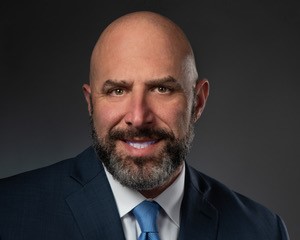
In this episode, we’re going to tackle trial continuance fatigue with our guest, Bijan Darvish, who practices employment law in Orange County, California. Prior to lawyering, Bijan was previously a police officer who was unfortunately wrongfully accused and had to go through the process that an employee would have to go through to clear his name. He went through the criminal process where he got fully acquitted, then he had to go through suing his employer, for which he also was successful in doing. All that experience and process that opened his eyes led him to go into law school.
In this episode, you will hear:
- What is continuance fatigue?
- The benefits of creating a schedule
- Switching things up for the focus groups
- The benefits of focus groups
- How to shorten the opening statement
- The value of having a transcript
Subscribe and Review
Have you subscribed to our podcast? We’d love for you to subscribe if you haven’t yet.
We’d love it even more if you could drop a review or 5-star rating over on Apple Podcasts. Simply select “Ratings and Reviews” and “Write a Review” then a quick line with your favorite part of the episode. It only takes a second and it helps spread the word about the podcast.
Supporting Resources:
If you have questions or would like to speak with Bijan Darvish, you can reach him:
Email: bijan@darvishlaw.net
Or if you’d like to learn more about his employment law practice visit: www.darvishlaw.net
If you have questions or a particularly challenging client preparation, email Elizabeth directly for assistance: elizabeth@larricklawfirm.com.
Episode Credits:
If you like this podcast and are thinking of creating your own, consider talking to my producer, Emerald City Productions. They helped me grow and produce the podcast you are listening to right now. Find out more at https://emeraldcitypro.com Let them know I sent you.
Episode Transcript:
Elizabeth Larrick: Hello, and welcome back to the podcast. I’m going to jump in real quickly here to do an introduction of our guest, Bijan Darvish.
Bijan practices employment law in Orange County, California. Bijan and I met several years back at an employment law seminar, [00:01:00] and struck up a conversation and have been friends ever since. He has a very interesting and Applicable background to becoming a lawyer. He was first a police officer. I was working as an officer and was unfortunately wrongfully accused and had to go through the process that an employee would have to go through to basically clear his name.
He had to go through the criminal process, which he got fully acquitted. Then he had to go through suing his employer, which he did. Which he also was successful in doing, but that process and that experience really opened his eyes to what happens and led him to go into law school, which I think is amazing.
And so he has a very unique perspective than that. He is a hundred percent gone through what his clients have gone through. And so without further ado, let’s jump into this interview. Bijan, thank you so much for joining the podcast.
Bijan Darvish.: Thanks for having me, Elizabeth.
Elizabeth Larrick: Awesome. Well, you are going to tackle a, what [00:02:00] I think is a pretty popular topic because with the pandemic and a few other natural disasters that have been going on across the country, continuances are happening at a high rate and for pretty much Any reason.
So this episode, we’re going to tackle trial continuance fatigue. And I really wanted you to come talk to us because in helping you with a particular file that you had, you have faced quite a few continuances. So tell me about this fatigue and how you kind of experienced it.
Bijan Darvish.: So we had in our case, it was a retaliation case.
We had four or five different continuances. There were for various things. It started out with the other side asking for a continuance for trial, the defense, which they always go and do that at least a couple of times. And then COVID happened. Then we got continuances for COVID. Then we got continuances because defense witnesses were going on vacation.
And then we had continuances because of scheduling conflicts. [00:03:00] So at a certain point, after the second continuance, you start to get a little fatigued, almost burnt out on the case. You lose a little motivation of keep having to delay, delay. Your adrenaline goes up. You’re getting ready for trial. And then it’s a big crash that we’re not going and over and over again, it keeps happening.
That’s what I think of when I, when I talk about trial fatigue or continuance fatigue.
Elizabeth Larrick: Right. And I would say, I mean, specifically with the experience in this case, you guys got almost literally what you went to the courthouse and it was like, no. And you went to the courthouse. No. And so it was like, you guys really had to gear up and get a hundred percent ready just to hear.
Oh. Somebody’s got COVID we’re going to have to get reset or someone’s not available. But you also had a pretty unique circumstance in that you guys opened it up or your judge opened it up to any judge who would try the case and no judge wanted to try that case. [00:04:00] And again, because of a particular party.
So that also created another challenge for you guys just to get somebody to hear the file.
Bijan Darvish.: Yeah. So that was the most difficult part of the continuances. It was, For three weeks, almost we were on call Monday through Thursday from 830 in the morning until four in the afternoon. And the way that works is if a judge has an opening, any judge in the courthouse or in the county, in any of the three courthouses that are doing the civil trials, If they have room to take on the case, they’ll take the case.
So you can’t plan anything. You can’t plan depositions. You got to stay in the office. You got to have your witnesses available. And it’s a stressful time. Every day you’re waiting to see if they’re going to call you. And we had one time after two weeks, They finally called us and they called us on a Friday and said, we’re going on Monday.
This [00:05:00] is your judge. And Monday early morning, they called us and said, well, the other side used the peremptory challenge on the judge that just took your case. So then we’re back to the drawing board again. That’s a long process. I mean, that’s what really fatigued us. That’s what really gets emotions going up.
And then you’re coming down really hard on it. It’s a difficult time to go through.
Elizabeth Larrick: Yeah. And did you take a break? I know you had at least two or three really, really close calls. Did you take a break after, after those close calls?
Bijan Darvish.: On when, when we had our first continuance, it was a long one. It was about six months.
So we did take a break for a little bit and then we started gearing up again a couple of months before. And then when it happened again and again, what we started to do was we came up with a plan. We said, Hey, there’s going to be these continuances. But co counsel and I, Jason Ehrlich, we set up a plan, we calendared it out, and we [00:06:00] said we’re going to meet once a week, and we’re going to talk about the case, whether it be practice, or cross examinations, or direct examinations.
We did a lot, a lot of role play. We continuously did that. So it kept the case, on the front burners for us without completely getting burnt out on it. So for us, for me, that was a great way to do it because it was just enough that we’re staying sharp on the case, on the facts. And every time we did this role play, a new issue would come up that didn’t come up the first time.
So, I mean, we could have still done it over and over again, and always a new issue comes up. And we switched off. One time he would play the witness, and I would be the lawyer, and then vice versa. We’d switch up with the same witness. So that was the key thing that we did, and that was very helpful for us.
Elizabeth Larrick: How many weeks did you guys end up doing this plan before you finally got to go to trial?
Bijan Darvish.: On the time before a lot, because we did the part where we’re on call for a couple of weeks. [00:07:00] And then after we were on call, I think it was two or three weeks, the judge called us and said, Hey, there’s going to be a hearing on zoom.
So we had this hearing and he said, look, I think there’s a lot of reasons why judges don’t want to take your case. There’s some high profile people, witnesses, and all the judges know them. That could be one of the reasons, but I’ll take your case and we’re going to do it on this day. So that was still about a month away.
So then we started doing it about twice a week, meeting like that about twice a week, but on the other continuances that were longer, we’d spread it out a little more. We’d throw in focus groups, we’d revise our openings, we’d read our openings to each other out loud, then make changes, and then we’d do another focus group on it, or we’d focus in on specific exhibits.
And then do another focus group on it. So we tried to stay fairly active in the case, which was a new thing. I mean, for me, because they’re the first couple of times we had the continuances, we didn’t really do that. [00:08:00] We just put the case off on the back burner, but it really, really, it’s very beneficial to create a schedule, whether it be every two weeks, once a week, you know, however time you have to at least do something on the case.
And if it’s on the calendar, then you’ll always go and do it.
Elizabeth Larrick: And I think having that accountability person with you right to hey, we’re gonna do something different or role play a different witness or do the opening again. So you guys tried to keep it at least somewhat entertaining and change it up.
Bijan Darvish.: Yeah, we did. We kind of made this promise to ourselves that, hey, we’ve got to do this to keep the momentum going to not lose interest in the case. And it made it fun. I mean, each time there was new arguments, each time we learned something new. So it was very beneficial for both of us.
Elizabeth Larrick: And just so for people listening, were you guys getting together for like an hour at a time or two hours at a time?
Did you kind of map out, Hey, this week, let’s do this witness next week, let’s do opening. [00:09:00] Or did you just set the time aside and said, Hey, we’re going to get together and then we’ll make a plan for the time when we finally get on the zoom.
Bijan Darvish.: Yeah, so the day that the, we got the continuance, we said, okay, we got on the phone ’cause we said our calendars were clear for today anyway, so we got on the phone or on a Zoom and we said, these are the days we’re gonna do it.
And then about a week before we’d email and say, Hey, let’s do this topic. Let’s do cross examination on this witness. So let’s do opening statements, or let’s do defense opening or defense closing, things like that. So we talk about it, prepare for it. And then when we had our scheduled meeting, we’d do that.
And sometimes I would bring up something and I’d say, Hey, I really have an issue with this because I was reading about this. Can we change topics and do this? So it made us prepare. It wasn’t just that day because we had to take out time from the week to prepare for the role play, to prepare for the focus group.
So this is extremely beneficial.
Elizabeth Larrick: Yeah. Awesome. Well, tell me a little bit about, and I, it sounds like [00:10:00] that really helped you guys regain momentum and excitement about working up the file.
Bijan Darvish.: Yeah. I mean, I don’t know how excited we actually get to work up the file again, but it did. That’s what really kept us going because we had to keep up with the schedule and make the promise to ourselves, to each other that, Hey, we have to do this.
And that’s really what kept the momentum going. Otherwise, I know the first time we had to continue, we said, Hey, let’s work on the case every now and then we didn’t calendar it. And it didn’t work out the same way. Busy schedules, always things come up. So it’s difficult to get a 1 or 2 hour meeting in the last minute.
Elizabeth Larrick: Right. Absolutely. How did you feel like in doing that schedule? Do you feel like how did that really benefit or, you know, could you tell as far as that, how that benefited the trial when you finally got there?
Bijan Darvish.: The role playing was extremely beneficial for us because we only deposed one [00:11:00] person and the other people, we didn’t take their depositions.
So every time we role played, we think of a new argument or a new excuse that they would make. And there was not a single response that they gave at trial that we weren’t ready for. And it was the best feeling because I’ve been on the other side of it where they say something. And I didn’t know how to respond.
I don’t have the great cross examination skills of like a 40 year Don Keenan or somebody, but knowing that, having that confidence of, okay, we’ve really come up with everything they could possibly, every excuse they can possibly come up with, and we have a roadmap of where to go for every excuse they come up with.
And then it just flowed. I mean, it felt good.
Elizabeth Larrick: That’s awesome. And what an easy thing to do, right? You don’t really need to have any skills other than, like you said, set aside time to do the role play, but also prepare a [00:12:00] little bit and try to give, if you play the witness, give a new face or give a new look to something.
So that’s awesome that that was like, Made you super confident when you go in and then it falls into place.
Bijan Darvish.: Yeah, and it’s really helpful switching roles. If I’m going to do the examination, it’s really helpful for me to be the witness because I know the questions. I’ve already written them out and I can come up with different excuses that I haven’t come up with before, or even get other people that don’t know anything about the case and have them be the lawyer or have them be the witness.
I can’t speak enough about doing these role plays.
Elizabeth Larrick: That’s awesome. Well, tell me a little bit about how did you guys, cause I know doing repeated focus groups can also get really mundane. So how did you guys switch things up for the focus group and keep trying to learn and squeeze more out of them?
Bijan Darvish.: We, we never did the same type of focus group back to back.
So we did an opening focus group one week, then in three weeks or a [00:13:00] month later, we didn’t do another opening. Um, we tried to change it up and do exhibits or really focus in on Vore Dyer, things like that. And we tried to both do it. I was going to do Vore Dyer in the case, but it’s beneficial for me to sit there and watch someone else do it.
I watch my co counsel who knows all the issues, who knows how we’re going to do it. Structure of or die or what questions we’re going to ask the conversations we’re going to have so it’s so beneficial to just sit back and watch him do it and then I’ll get up there and do it. So we tried to do different types of focus groups, different things, and it was very beneficial.
Elizabeth Larrick: I know that ultimately November is when you. You guys went to trial, but did you ever take some time in October or even before that to take all the information? So you guys had several sort of focus groups and try to synthesize it down to main takeaways or problematic demographics or anything like that.
Bijan Darvish.: Yeah, we did that beforehand. Jason took on that task and he did a really great job with it. He [00:14:00] made a final report that broke down the demographics and broke down different comments to issues by the focus groups so we can use the same verbiage in trial. It broke down everything and we each had it in a binder in a notebook and Every single day we’re flipping to it to say, Hey, what, what are the highlights on what I’m supposed to say?
What’s going on here? What does this mean? So, yeah, it’s definitely, it’s very important to do that final analysis report because a trial, we’re not going to have the time to go and swift through 10 focus groups, whatever it is, even 5 focus groups to see what they said and the results were. If you just have it in a table, you just have it in the final charts.
It’s a great way to do it. And then you could always refer back to the longer reports if needed.
Elizabeth Larrick: Gotcha. Gotcha. Awesome. Well, what do you think were things that with all this extra time to prepare, did you guys basically try to shorten things up and simplify things?
Bijan Darvish.: We did. So we tried to, definitely we [00:15:00] shortened up our opening.
Our opening was a little long. We tried to cut out things that we didn’t think were as important, and then we tested it again with the focus groups, and we were getting similar results. So we ended up taking that out. We shortened up the Vore Dyer because We just didn’t know how long the judge was going to give us.
We were lucky enough that he didn’t really limit our time on it, but we just didn’t know at the start how long he was going to give us. His rules didn’t say. So we tried to actually, we tried to shorten up everything, our examinations too, because you know, you’re always thinking that the jurors want to get out of there.
And if we can be the ones that are efficient, that just get to the point, ask the questions and sit down, that hopefully they’ll appreciate that. So we did, we tried to shorten up everything from opening Vordaer and our examinations.
Elizabeth Larrick: Yeah. And as far as, like, give us a little example is the originally your opening was about how long and what did it end up being at trial?
Bijan Darvish.: Originally, our opening was about almost a little less than 30 [00:16:00] minutes. It was about like 28, 27 minutes. And by the time we got to trial, it was still a little long, but I think it was about 20 minutes. But that included time that we allowed to go and put up the exhibits, put up a board, walk back and forth, and try to break it up for the jury a little bit.
You know, if it was just reading without doing anything else, I think we’d probably shave off. Three, four minutes, something like that, but it takes time to put up the boards, walk back and forth, and we wanted to do that a little bit of trial to break it up for the jurors to take the time to walk up there, actually write something or show them a demonstrative.
So it’s a little longer than we wanted, but we, they just had so many different excuses. And because we didn’t depose them, we didn’t know which ones were their main ones. We knew which ones the focus groups thought were the main ones, and we harped in on [00:17:00] those. So
Elizabeth Larrick: yeah, and I think that’s a really good point just to make just generally is when we talk about shortening up our opening, we still need to remember the time it takes to go, like you said, To walk across the room and write something on a board or go get a demonstrator and put it up.
But that time is so helpful because you’re giving them a lot of information. 20 minutes is still a lot of information to digest and breaking it up and giving your brain, their brains a little bit of a rest or delivering the content through a visual really does help them learn and retain it. So much better than just delivering basically a 20 minute speech for sure.
So was there anything else that you can think of that really in this time of reworking and dedicating some time to keep working on the case that you’re like, wow, this was something that was different from other trials that you’ve done and it definitely other than the role playing stood out as a benefit.
Bijan Darvish.: The focus groups were a huge benefit for us, and I know I’ve said her already in this, [00:18:00] but the role playing, I just, I can’t say enough about it. One of the witnesses we had was the public defender for the county, who’s got a hundred something trials under her belt, not to mention how many trials she’s supervised and managed and all that stuff.
So for me to cross examine her, I mean, I would, I was intimidated. beforehand. I go, she’s a lawyer and she’s going to be a sneaky lawyer. She’s already got all the answers and everything. So I, I was very nervous about it, but as we got farther along with the role plays, The more we did it, I played her a bunch of times.
I just, I sat down one of the days and I go, she just doesn’t have a way out. There, there’s not a way out. And that role play, that just built my confidence for me. And I knew exactly where to go. So that was, The main takeaway for me is all these continuances, all the fatigue that happens is the [00:19:00] role play was just invaluable.
I mean, especially with a witness that for me, a lot of lawyers might not get intimidated, but for me, she was a 30 year lawyer. A hundred trials is a lot. She’s been in the jury a long time and she knows what she’s doing. She rose to the top from the very bottom. So it was intimidating for me, but I tell you, once we were going, it was just the best feeling when you’re guiding the dog on the leash, you know, they’re going where you tell them to go.
Elizabeth Larrick: Yeah. And did you, I know at some point you guys kind of with extra time and probably this extra preparation, you guys kind of switched up some things between you and Jason and Jason was on our podcast already. He’s episode a couple more earlier than this, I think 61 to catch Jason talking about direct exam.
But did you guys in becoming so much more familiarized with you? I mean, I know you guys have teamed up on [00:20:00] cases before and you guys kind of switched some things at trial and with witnesses. Right.
Bijan Darvish.: We did. We did. We switched the direct exam or the plaintiff. So Jason took that and I was hesitant on doing that, but you know, he’s got some magic voice that he does calming and soothing.
And I don’t know how he does it. I mean, I tried to do it, but I just couldn’t, at least I felt I couldn’t replicate it, but it was just the perfect tone, the perfect volume, the way he did it. And it was a good choice. I mean, I think it’s important for us to know. Lawyers have egos, right? And it’s important to know.
Wait, we
Elizabeth Larrick: have egos? No.
Bijan Darvish.: Exactly. So, I mean, it’s important to know when you’re working with another attorney that, hey, what’s that attorney’s strong points? Are those better than mine? And I thought his direct exam skills were just phenomenal.
Elizabeth Larrick: [00:21:00] Yeah. And sometimes it’s just, I mean, it’s such a, once you, again, you guys spent so much time together, but you guys spent a lot of time also with your client and knowing that who has the better flow or energy sometimes is just a better choice because getting in trial, it gets so squirrelly.
And if you could at least rely on that, that those folks have an easier, like flow of conversation, sometimes it’s just a better choice.
Bijan Darvish.: Yeah, and I hope when he came on, he said a lot of nice things about me too. I’m going to go back and look for it
Elizabeth Larrick: again. Well He didn’t even
Bijan Darvish.: mention me, did he? No,
Elizabeth Larrick: he did.
No, he did. No, we didn’t talk. We actually talked a little bit about this trial that you guys had in November. But again, another trial that you guys had together that was a very challenging direct exam. And that was another You kind of right up your alley, right? With the police officer and police force. I know that’s in your background.
So we talked about that trial as well. And that one also was a [00:22:00] case that kind of lingered for a while.
Bijan Darvish.: It did. That one lingered for a long time as well. Did you
Elizabeth Larrick: guys have the same plan of trying to get together or was this plan that you made for most recently? Was that kind of a new invention? We
Bijan Darvish.: did it for the other trial, but.
Not as regularly. We did the standard role play as we scheduled it ahead of time. Not as much, not a schedule from between continuances and stuff, but it was a completely different case of different facts and whatnot.
Elizabeth Larrick: Definitely. Definitely. Awesome. Well, I know that you guys did eventually try the case and you tried it.
How long did it take to try the case?
Bijan Darvish.: I think it took, well, this was another issue for us was in Orange County. They don’t do trials every day. The judges only do trials three days a week. And the other days, they hear motions. And our judge, we were, he did trials, I think it was, Monday, or [00:23:00] Tuesday, Thursday, and Friday, if I’m not mistaken.
Tuesday, Thursday, and Friday. So they weren’t even consecutive days. But it ended up going, that way it went well over a month. I think we were at, 11 days of trial, something like that.
Elizabeth Larrick: Yeah.
Bijan Darvish.: But which
Elizabeth Larrick: is also a fatigue in and out to keep going.
Bijan Darvish.: It is, but you know what, looking back at it, there was a lot of benefits to it because if there was a witness that we needed to hold over or something for whatever reason you could, and then you can get the transcript and prepare better.
You can have a day between. At least between Tuesday and Thursday, we had a day to go over what happened on Tuesday. So it drags on, but there’s also benefits to what you make of it. So if you have those time openings, you use them by all means.
Elizabeth Larrick: Yeah. I think that obviously people listening are from all over and I’m here in Austin and we generally try things.[00:24:00]
Every day you start trial Monday or Tuesday, you’ve got to do pre trial and just work all the way through. But there’s a lot of places that don’t do that. They have the same kind of challenge where the judges want to hear motions or hear other dockets. So they don’t get behind it in that kind of stuff.
So that’s a very good suggestion and use, which would be get the transcript. Let’s get the dailies from that court reporter, even if they’re rough to be able to go back. And that’s definitely one of the things that in doing larger trials, not necessarily smaller kind of car wreck trials that I did, but larger trials, we always go back and get the defense opening, get some big witnesses or main people and read back through that pinpoint those defense points and make sure you can knock them out.
And I’m sure that’s what you guys did in your trial.
Bijan Darvish.: Yeah, no, it was a great benefit to get those dailies because I mean, there was times where we’re like, they said, what, how did I miss that? Or wrote that down differently, but it was beneficial. And then we had them for a closing, but we took snippets of it and cut it and paste it and put it in our PowerPoint.
And so [00:25:00] they said this, I mean, can you believe that? It was very beneficial.
Elizabeth Larrick: It’s also makes it a little bit like, I’m not going to say magic, but I think jurors love that crap. I mean, it’s almost like CSI stuff, like, Whoa, wait, you’re going to bring that, like roll the tape. I think they really appreciate that one because it’s a long, I mean, especially if it goes over a month, that’s a long time to remember stuff.
And if all you get are the highlights and that’s all you really want anyhow, so.
Bijan Darvish.: It was a great tool. And I think you’re right. It did break it up for them instead of just sitting there saying, remember, so and so said this and so and so said this. And I’m sure some of them are going, I don’t remember, maybe it’s a lawyer putting a spin on it or whatever, but it’s much different when it’s out there written and writing for them and it’s from a transcript and it has much more of an effect.
Elizabeth Larrick: Yeah, absolutely. Totally. And you guys had a successful outcome, right?
Bijan Darvish.: We did, we did, we got a unanimous jury. They found that there was the harassment and the [00:26:00] retaliation. And it was a total of a little over 1. 2.
Elizabeth Larrick: Fantastic result.
Bijan Darvish.: Yeah. Thank you.
Elizabeth Larrick: And she, long journey to get there. I mean, I think when it happened to the trial date, eight years or more.
Bijan Darvish.: No, it was four years, almost five years from when it happened. The trial, and I was with her from the very beginning was about a two, three months after it happened, I started talking with her. So it was a long road for her. She did amazing going through all these continuances and. Three
Elizabeth Larrick: depositions, four depositions.
Hey, that’s a lot of depositions and they were not short ones. You guys, the employment cases, you guys squeeze the juice as much as you can.
Bijan Darvish.: But you know what? She stayed true to herself. We had an economist come in, not to get off topic, but we had an economist come in, and our economic loss was high. It was over two million dollars just for the economic loss.
And then she kept trying [00:27:00] to find a job at being an investigator again, and she found one. And it cut our Economic losses from 2 million to 200, 000, but more credit to her. I mean, you have to respect a person like that that says, Oh, you know what? I’m not going to delay it just because I got a trial coming up.
I want a good job.
Elizabeth Larrick: Yeah. I mean, it was her passion, man. She, it was her calling and she was going whatever it took. That was definitely a lot of perseverance because some people definitely would have just given up and said, you know what, just forget it. I’ll find something else. But she kept going, so is there a possibility of a new trial or appeal or is that still up in the air?
Bijan Darvish.: I’m fairly certain they’re going to appeal it, but we had our hearing for a JNOV and a motion for a new trial last week and the judge denied them both. Okay,
Elizabeth Larrick: that’s exciting. That’s great news.
Bijan Darvish.: We’re filing our, he actually, one of the reasons they wanted a new trial was they said the damages were too high and the judge said on the record that the jury could [00:28:00] have easily awarded more.
Elizabeth Larrick: Nice.
Bijan Darvish.: So we thought that was a good statement by the judge.
Elizabeth Larrick: Yeah.
Bijan Darvish.: And the appeal when they file it, but we’re getting ready to file our motion for our attorney’s fees. And then I’m sure they’re going to be filing their notice of appeal here in the next couple of weeks.
Elizabeth Larrick: Well, maybe they won’t. There’s a good chance that you guys made a very good record.
There’s not going to be anything there, but I know that you all’s appeals court is almost as bad as ours, which means it takes months and months and months, and sometimes even years to get a response. So I hope that you guys, that doesn’t happen. You guys can go ahead and keep celebrating as always. A win is a win and definitely for that particular file.
And that client was quite, quite a long battle, I would say to get to the end.
Bijan Darvish.: It was a long battle and everybody, I mean, you helped out a lot with the witness prep. That was very beneficial, but luckily it worked out good for us. [00:29:00] Well,
Elizabeth Larrick: I mean, I think, like you said, because you didn’t have a lot, you didn’t have positions to go after having that big uncertainty of how, which way are they going to go?
And how do we Bob and weave with the witnesses? That role play is really. So beneficial. And I’m really glad that you shared that with us and it’s an easy thing to do. So,
Bijan Darvish.: yeah, one of the easiest things. And I mean, I’ll, I’ll do it even myself. Sometimes I’ll get up from my chair and go sit in the other chair, ask a question and move.
And my wife looks at me like, what is wrong with you? Why is it’s up if you don’t have anybody?
Elizabeth Larrick: Yeah, he’s lost it. And I think the zoom has made it so much easier. Cause I know you and Jason do not live near each other. Right. You guys, there’s 400 miles between you guys.
Bijan Darvish.: Yeah. Yeah. We don’t live close, but we do everything through zoom and it helps out.
Elizabeth Larrick: Yeah. I mean, I think that having zoom and the ease of using it is so helpful for any kind of practice, but I think especially when you guys work so well together and then being [00:30:00] able to do that makes it so helpful. Just jump on the zoom, do what you need to do. You guys could record it if you need to record it, transcribe it if you needed to, but you know, otherwise just makes it easy.
Bijan Darvish.: And you know what? You’d be surprised at how many lawyers are willing to help if you say, Hey, I got a cross examination. Can you help me just do this role play? And most of them get excited about it. They’re like, Oh yeah, that’d be cool. I got to practice my cross examination and really come after you.
That’d be great.
Elizabeth Larrick: Yeah. And that’s what I love is like, it really, and I’m sure you guys probably experienced it. You don’t need to go for very long. I mean, you could do 20, 30 minutes and you’re still going to get a lot of benefits and then you get to stop and say, Whoa, let’s unpack all that just happened.
So
Bijan Darvish.: yeah,
Elizabeth Larrick: always helpful. Is there anything else about people out there trying to tackle trial fatigue that you would offer or suggest?
Bijan Darvish.: The schedule, get the schedule. As soon as, the same day you get the continuance, you have time because you had court probably scheduled that day. Take the time, [00:31:00] calendar it out every week, every other week, whatever it may be, even if it’s just for an hour or half an hour and you can do it.
You can find people to do it with you. I had a friend that his wife worked in HR and I used her. Cause we had an HR person and ran these questions by her, but there’s always people out there to find, but if we, if it’s scheduled, that’s on our calendar, we’re, we’ll, we’re more likely to do it than if we just say, Hey, I’ll call you and we’ll schedule something.
Elizabeth Larrick: And I’m sure you probably, you guys had the folks groups to set out to like, okay, if we go for a couple of weeks, we got to check in and see where we’re at.
Bijan Darvish.: Absolutely. Yep. Continuously good though.
Elizabeth Larrick: And those are all virtual, right?
Bijan Darvish.: We’re doing them all virtual.
Elizabeth Larrick: Awesome. Well, Bijan, it is so helpful to come and share your experience and let us know about this, uh, Great way to keep engaged with the file and also with your co counsel to keep going.
So thank you so much for joining the podcast.
Bijan Darvish.: Thanks for having me. Appreciate it.
Elizabeth Larrick: All right. Well, thank you everybody for tuning in to this episode. [00:32:00] If you like this podcast, please follow it on your favorite platform, leave a review so other lawyers can find it until next time. Thank you.