Cross Exam with Patricia Kuendig and Tanya Ortega
As trial lawyers, we can’t be stagnant. People change, cultures change, our jurors change, and how they process information changes. And so, as trial lawyers, our profession is one where we have to keep working on it until we decide we’re done.
Joining today’s episode are Patricia Kuendig and Tanya Ortega to talk all about cross-exam – the importance of sequencing your cross-examination chapters, the basic structure of a cross-exam, and how to deal with objectors. They also share the value of a game plan with your cross-exam, which allows you to be much more organized and quicker.
They also talk about women empowerment and how they’re creating a collaborative community of women trial lawyers, because there’s so much comfort in knowing that you’re not alone. Hopefully, these women can tap into the magic that they can create in the courtroom, which is also very different from their male counterparts. As women lawyers, there’s something that we can bring to trials and to our practice, that men cannot. And so, we need to harness that, live the truth, and be the future of the practice.
Patricia has a diverse practice in almost every field, helping a lot of folks all over the country. Whereas Tanya does a lot of Personal Injury cases and Trust Litigation. She also handles Personal Injury, with a specialty in brain injuries.
In this episode, you will hear:
- The importance of sequencing your cross-examination chapters
- How to keep your tone
- Advice on how to deal with super objectors
- Collaborating with other women attorneys
- How to put together a cross-examination
Subscribe and Review
Have you subscribed to our podcast? We’d love for you to subscribe if you haven’t yet.
We’d love it even more if you could drop a review or 5-star rating over on Apple Podcasts. Simply select “Ratings and Reviews” and “Write a Review” then a quick line with your favorite part of the episode. It only takes a second and it helps spread the word about the podcast.
Supporting Resources:
If you are interested in attending the September 28 – Oct 1, 2023 cross-exam workshop “She Crosses” please email Patricia or Tanya directly.
Patricia Kuendig
Email: Patricia@kuendiglaw.com
Learn more: https://www.doddandkuendig.com/our-attorneys/patricia-kuendig/
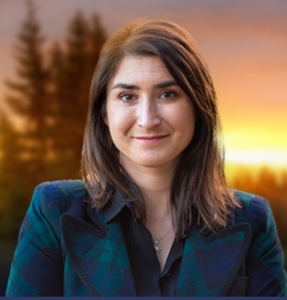
Tanya Ortega
Email: Tanya@theortegafirm.com
Learn more: https://theortegafirm.com/
Episode Credits:
If you like this podcast and are thinking of creating your own, consider talking to my producer, Danny Ozment.
He helps thought leaders, influencers, executives, HR professionals, recruiters, lawyers, realtors, bloggers, coaches, and authors create, launch, and produce podcasts that grow their businesses and impact the world.
Find out more at https://emeraldcitypro.com
Episode Transcript:
Elizabeth Larrick: Hi there. Welcome to the podcast. It’s Elizabeth here. I want to do a really quick introduction before we jump into this episode.
I’m honored to have two wonderful trial lawyers join us today to talk about cross exam, Tanya Ortega, along with Patricia Kundig. Ms. Ortega practices out in California, but she’s a native Texan and her [00:01:00] specialty is brain injury and has worked closely with Dorothy Clay Sims and mostly does personal injury, as you will hear.
Her contact information website will be in the show notes. And again, joining her will be Patricia Kundig. And together, these two ladies are putting together a cross exam workshop. specifically for women travelers. So that’s what we’re having them on today together. We may have them back individually to talk more about their specialties, but again, Tricia is joining us.
She has practiced at a Park City, Utah, but both of these women practice across the U. S. in co counsel roles and consulting roles and personal injury. Tricia’s background is in family law, complex family law, and she works with Roger Dodd and has for several years, and he has written a book about cross exam and they teach other lawyers about cross exam, but they both have a passion obviously for cross examination.
So without further ado, again, the contact information for these [00:02:00] trial lawyers will be in the show notes. If you’d like to reach out to both of them, they encourage you to email them and they’re happy to respond with you directly. All right. Thanks so much. I hope you enjoy this episode. Hello and welcome.
To the new episode of trial lawyer prep. I am excited to have our two wonderful guests to join us for this episode about cross exam. I’ve got Tanya Ortega and Trisha Kundig here joining us. So say hello ladies.
Tanya Ortega: Hey,
Elizabeth Larrick: awesome. Well, as y’all have been listening, we’ve been talking a lot about different sections about trial.
So I am thrilled that they’re going to come talk to us about cross exam. It’s a hot topic. There are lots of ways to do it. And so I’m excited to get to their perspective and thoughts on it. Ladies, let me know, how do you feel about cross exam?
Tanya Ortega: Well, there’s a before and after I would have to say, right? So for me, there’s a before how I felt about it.
And then I attended Roger Dodd’s [00:03:00] cross examination clinic with Tricia and Roger. It changed everything for me. That was such a game changer. So, yeah, we can talk about how I felt about it before and then how I feel about it now. And it’s tell us about your markedly different.
Elizabeth Larrick: Yeah,
Tanya Ortega: go
Elizabeth Larrick: through
Tanya Ortega: your journey.
Sure. Super fast. Because I know Trisha’s got some thoughts on this as well. But my before was nervous. I knew the information about the case, but couldn’t get it to translate and across, right? And then if we were to go to trial. My male colleagues would come in and they would do the crosses. Oh, no, no. I’ve got the cross of the expert.
I’ve got the cross of this important witness. And that is so there just does something to your confidence, not only at that moment, but truly through the case. And to the next case as well. So I made it a goal of mine one particular year that that’s not going to happen to me anymore. I am not going to be the person that preps this case, but then [00:04:00] gives it off to someone because they can cross and I cannot in my mind.
So I took Roger and Trisha’s class. And within two days, 48 hours of working with them, completely different person. I have now a game plan. I’ve got a template that works every time. I am the one now that people go to, to cross exam experts, witnesses. It’s just such. A better feeling it’s freeing. Once you have that game plan, you can then get creative too.
Okay. How am I going to sequence this? What am I going to do with my chapters? How far down the rabbit hole can we go? Cause this is now going to get really exciting. It just gave me the freedom to be the trial lawyer that I know I can be. It was the foundation and now I’ve got the confidence to move into other parts of it, like openings, jury selections.
It’s [00:05:00] just. That’s that’s my journey. I feel like I’m going on and on, but I really wish there could be a snapshot of me before. And me after that clinic, just even my entire being, my energy is completely different. Patricia, go ahead.
Elizabeth Larrick: Well, Trisha, now you can add that in you guys take before and after pictures so that we can see the glow.
So the cross exam glow. Yes, exactly. Trisha, take it away.
Patricia Kundig: So for me, cross is the center of. How I prepare my case from the time I get the case in until the time I settle it or go to mediation or go to trial. I use cross as a way of organizing the information and organizing myself. So I’m always thinking about how can I get my narrative out of the opposing witnesses when an opposing witness admits facts that support your narrative, it means [00:06:00] more.
It also takes a lot of the responsibility off of our clients and our clients need that. Especially in personal injury, a lot of our clients are injured and maybe have brain injuries, and it’s a lot to put on their shoulders. And so I really always think about what can I prove through the other witnesses?
And how do I package the information? And then when I can do that, I’m now I’ve got sort of my chunks of information, how I’m going to teach in my opening. I’ve got my chunks of information on what I’m gonna say in closing and now I can put the bows on it. But every document I get in in a case, the first thing I’m thinking of is How can I use this through an opposing expert, through an opposing witness?
It’s just how my brain works because I’ve been trained by Roger and have worked with him for so long, but it makes me more organized. It makes my presentation more organized and for judges, and this is what I think really helps. It makes me [00:07:00] more efficient. And judges, I mean, who doesn’t want when a judge says, how much time do you need Ms.
Kundig? And if I underbid it because I know I’m going to be efficient, they’re all smiles. They’re all happy. So the cross for me is just the center of how I’m looking at the case from start to finish.
Elizabeth Larrick: Gotcha. And tell us your journey with CROSS. Like you said, you’ve been working with Roger for so long, it kind of ingrained, but did you have any kind of aha moments or anything kind of like Tanya was talking about as far as like CROSS?
Patricia Kundig: I did early on before I ever even met Roger. So I started out my career doing all complex domestic relations litigation. And I tried a lot of cases early on, and I think my first aha moment was in one of my first trials my first few years, and I realized that cross didn’t have to be. A fight that I could teach a judge in a family law case.
They’ve heard a million [00:08:00] of them. You’re trying to differentiate. You’re trying to make your case stand out from the others. And when I realized that I could do sort of the more constructive type of cross, which I didn’t even know That term existed at the time and tell my story through an opposing witness.
That was my aha moment and I just stumbled onto it. My few years of my career were all trial and error, but once I did that and it were, I realized that for my own way of approaching a trial, that I could score more points on cross than I had previously thought I could.
Elizabeth Larrick: Yeah, that’s awesome. And I think most people like the way that I was brought up and mentored was when somebody gets up to cross, we’ve been trained, like the jury gets on the edge of their seat because this is what they see in the movies where like the magic’s about to happen, like the pressure’s on.
And so it becomes for you as the lawyer in the driver’s seat, it’s a little bit terrifying because are you going to [00:09:00] perform to their expectation? And as a female, it was never like, I never felt like I could come in and be like, you know, the Cola chainsaw, you know, tear people up. Like, because I feel like when I would laugh, like, I know that that’s terrible, but when I get nervous, like the comedy comes out as far as like going through those.
Yeah. Feelings for you guys, like getting up when you’re doing this, trying this out, you’ve got your game plan. Like how did those kinds of feelings, I think, Tonya, you kind of tapped into it, kind of transformed for you and same for you too, Tricia. Walk us through that feeling transformation.
Tanya Ortega: Sure. So for me, that’s a lot of pressure.
That you can’t handle the truth moment. That’s a lot. So I like to reframe it the way that Tricia and Roger taught me, which is we’re not getting that you can’t handle the truth moment, but instead we’re teaching bit by bit trying spoon feeding, I guess, and then [00:10:00] creating block by block your wall. And so that for me takes the pressure off.
I know I have a goal. I’m very in these moments. I need a game plan and a goal. I’m your girl. I got it right. I also know, based on the depositions and what have you, what they’re going to say. So each chapter is a goal. And as those goals get accomplished, your confidence is just building building. And then you can have fun with it.
1 chapter per page. Sometimes I color code those things. Pages are on different colors. So yeah, the jury’s watching me throw down that one. That one’s good. You know, on the table, let’s go to the next goal. And so it’s a feeling of a connection with the jury because they’re following me through this learning journey.
And we’re doing it together as opposed to, I’m just going to eviscerate this Yahoo on the stand. A [00:11:00] lot of times that does happen, but it happens later on in a very different way. So it makes me more comfortable. I’m feeling like we’re all going to hold hands and walk this road together as opposed to really putting the witness in such an adversarial position to me that I could lose control over it.
And then what would happen. So. Yeah, I like to reframe it in that way, but go ahead.
Patricia Kundig: So Elizabeth, I, you, you said something that strikes kind of a chord with me that the jury’s expecting television, right? When I am the opposite of what you see on television, that’s not my personality. That’s not, I wouldn’t be authentic if I did that.
And so I get super nervous because I, I know I can’t be what they’re expecting. I’m not putting, I don’t have it in me to put on a show. And so I do get up there very nervous. every single cross, every single deposition. I am a ball of nerves, no matter how well prepared that does not go away. But I [00:12:00] will say this, I’m very cautious.
And I really think through my sequencing of my cross examinations. I make sure that my first few chapters are chapters that the witness is less likely to run on me. I want to make sure that I get through those nerves before I get into the riskier stuff. And then by the time you get into the risky stuff, you have your sea legs under you a little bit.
Not to say that a witness never scores points because there’s no such thing as a perfect cross examination. I can tell you that for sure, but at least my sea legs are under me. And now I can banter and I can spontaneous loop and I can. Work through the risky chapters. Yeah. For me, the crucial thing is making sure those first few chapters I have well thought out to just build up my own confidence.
It’s less even about the witness. It’s more about building my confidence.
Tanya Ortega: Uh, so true because sometimes too, when you’re using those first few chapters, [00:13:00] you know, what strategies you’re going to use to control the witness. And they work because you’ve thought this out and the witness now knows you’re in control too.
So you’re absolutely right. Sequencing those other riskier chapters kind of in the middle. It’s a really beautiful way to do it. One thing I also really love to talk about with women is when we’re doing the cross, our tone. And I just personally, this is me as my personality. I default to somewhat more of an aggressive tone.
That’s just who I am. And in trial, I really tried to back off of that. And man, I would love a conversation with us and our female community of when is it okay if it ever is okay to just really go after someone in an aggressive way as a, as a woman in [00:14:00] trial, and then is it necessary? What about on those riskier chapters?
We tone it down a little bit. Right? Like, how does that play? So there’s a lot of cool psychology you can do with it, too, that just fascinates me. And I would love to hear y’all’s viewpoint on that, too. Like, what kind of tone do y’all use?
Patricia Kundig: Yeah, so I guess before I get into my tone, what I want to say is I do teach a lot of lawyers.
And I’m always amazed at the women that say that they’re too aggressive. And I think as women, we make that assumption because we’re told and people interpret us or assume we’re going to be a certain way. And then I teach and I see them perform and I’m like, no, you’re actually not overly aggressive.
Stop listening to what everybody’s telling you. But my tone and part of this is my voice. So, you know, of course I sound like an eight year old girl and it’s, I. I do, and I have to live with that, and I have to own it. I tend to get softer at the hard moments, but I use the inflection in my [00:15:00] voice. It’s funny, Roger always calls it little girl lost.
When, when I’m gonna ramp up, I actually get softer, and the tone of my voice suggests to the witness that I am calling them out on being ridiculous, or a jerk, or evasive. And so that’s how I’ve used my voice and my tone to my benefit. Cause I can’t be, I can’t do that overly aggressive tone. I don’t have it in me, but I love seeing female lawyers have that aggressive tone.
I think it can be really effective. Yeah. What about you,
Tanya Ortega: Elizabeth? What’s the tone that you are most comfortable with or your
Elizabeth Larrick: default? Well, I would say that when I started to do trial work, I get, I get softer. Get a little nervous. But. What I have learned and really practiced in doing focus groups is.
What tone can I play with and what tone works and it’s very easy for [00:16:00] me to be pretty flat, like it’s not very easy for me if I, like, I generally keep the same tone but I just keep it a little bit louder like. Oh, maybe you didn’t hear me the first time. I know that that’s like, that’s me getting like, like, dude, you just like, or like answer my question here.
So that’s pretty much what I’ve always practiced with in focus groups. And then. What that always reminds me of is when I’m in the courtroom is like you’re teaching, you’re just asking questions and you’re staying curious. And that always keeps me to like bring back down the like this word because it feel like if I get ramped up, you’re going to see.
I’m either going to get flushed or, you know what I mean? Like, or there’ll be a tell that I can’t, you know, that I just, something’s happening and they can tell. So I always just try to remember that, like, okay. And doing so many focus groups has really helped me with my tone and just being okay, well, just tell me about that.
And that has always worked in, and I’ve done a lot more deposition work probably than trial work when. [00:17:00] They get super snippy with me. It’s very easy for me just to go back and just be like, but maybe the jury doesn’t understand. You know what I mean? Like always helps me to go back and think like, okay, well, this dude’s being, or this person is being snippy with me, or they’re trying to poke me and make fun of me because I can’t pronounce the word right.
Normally just, you know, I’m like. All right. You’re trying to get me upset. Where can I go? And generally it’s just like, cause I’m thinking like the jury’s going to have the same question. Like, why are you doing that? Why can’t you do this? So that’s generally my, what I try to do is just take it down a notch and generally just be like, cause I don’t think I’ve ever been described as aggressive
ever, but you know, I’m sure there’ve been times where I’ve been aggressive and, but that’s definitely not a word I’ve been told that I can ramp up. That’d be a little bit more aggressive. So
Tanya Ortega: it’s so interesting too, because I have found now my aggression, if there is to be a moment in the cross to do it, [00:18:00] I know when that might be.
Obviously I’m reading the room. Before, and it’s going to be natural. I also, though, know if I get aggressive or something starts to get me where my heart rate starts to elevate the bloods rushing to my head, it might take me off a little bit of my game. Now the blood’s going somewhere where, you know what I mean, to my head and my cheeks and my heart rate is elevated.
And I need to think clearly. So that’s also a technique I’ve been really wanting to work on and have been working on is because it is my default. I took some neuropsych test just to see what and Tricia did too, just to see what our clients I
Elizabeth Larrick: mean,
Tanya Ortega: it was fun. Let’s be fair. It was a wild ride. And one of my scales on the MMPI was my aggression scale was like through the [00:19:00] roof, like through the roof.
So that’s why I’m like, no, no, they say that that’s my default. But anyway, yeah, that’s another component of it is. Learning this like the military breathing, so I bring my heart rate back down because we need to think clearly we got a chapter to do. We’ve got a goal to accomplish. So it’s just so much happening.
I love the conversation about it though, and allowing each other to. You’ve got to be yourself in these moments, whether you’re crossing at depth, whether you’re crossing at trial, love to follow up with you a little more too on what you do when defense counsels and when they get snarky. And obviously now the blood’s rushing to their head and they’re getting off their game.
How do you handle that? And I pose that question to both of y’all.
Elizabeth Larrick: Well, most of the time there’s a team of us, right? So the only time I’ve been to trial and I was solo, it was like my very, I didn’t know it. Well, not, no, it wasn’t my very [00:20:00] first trial, but I will tell you it was the weirdest situation. So the council tables were right behind each other.
So he and his client are seated behind me. So it’s very weird. Yes. And I just kind of put it aside. Like I, I just knew like, he’s trying to distract me and that’s always like, okay, you’re trying to distract me. And, and one of the things that I also taught for my mentor as it. Got to more bigger trials and bigger teams and bigger things was like, listen, your number one job is to your client and to your case, and you cannot spend any time with them.
So if it is done, you get out of the room. Unless your job is to stay back and negotiate, you’ve got to go because you cannot let that get into your brain. And I’ve definitely been in situations where me and the defense counsel are getting like reamed out by the judge. And I just like inside I was giggling because he looked terrified and I was just thinking like, well, if this happens at half, you know what I mean?
Like, I was just like, this, it was a kind of a crazy trial, but [00:21:00] what I have always defaulted to is just kind of diffusing that, like, I’m not going to play into that. Like. Okay, if I need to ask a question or talk to this person, then I will, because I found that if I get down that road, boy, howdy, I am often in it.
It’s hard for me to come back. So that’s what I have tried to do. Tricia, what about you?
Patricia Kundig: So, for me, I guess it depends on if it’s a deposition or a trial. If it’s a deposition, I always think about, because we all deal with those super objectors that object all the time. Are they being effective? Yes. So are they actually like coaching the witness?
Is the witness getting it? Does it matter? If I don’t feel like it’s making a difference, then I just let them do it for the record. And I, I just keep on doing my thing. If they’re instructing a witness not to answer, which we we’ve all dealt with that too, that one, I will Put an admonition on the record.
I even have some law available that I will cite onto the record. [00:22:00] And if they keep doing it, I will suspend and try to get the judge on the phone, depending on the jurisdiction. But for the most part, I really don’t take the, I don’t take the objections personally, and I really just keep trying to do my job and let them do it.
And it’s funny because they’re trying to rattle us, but if you really pay attention when they can’t. They start getting more rattled and I’m good with that. I’ll take that all day long in trial. I’m not going to lie. I tend to get more nervous when I’m dealing with objections. I’ll start to second guess myself on, am I right?
Am I wrong? Did I phrase that wrong? But I really, lately what I’ve been doing is I just default to rephrasing my question and I don’t even respond. And I just say, your honor, I’ll rephrase. And I rephrase and, and usually when I get the objection, it’s because I’ve jumped too far ahead to a conclusion. And so I just go backwards and I break it down and afterwards, you almost want to thank your opposing counsel.
Like, thank [00:23:00] you. Had you not objected, I don’t know that the jury would have gotten what I was trying to get to. So thank you for helping me take a step back, but that’s taken a while for me to get to that point where I feel comfortable just ignoring the objection during trial. But yeah, my best advice for people is when in doubt, just rephrase.
Tanya Ortega: Yeah, absolutely. And this conversation I love because for CROSS, when you have the game plan and the goal, you know, the conclusion you’re trying to get at the end of the chapter, like Trisha’s saying, Then now we can get creative. Sure. I’ll rephrase because, you know, there’s one fact per question that you need to get to that conclusion.
Maybe you got ahead of yourself or whatever. This is the creativity that I love. This is where the magic happens in depth and in trial because you can choose now not to engage. You can choose to engage maybe in a somewhat [00:24:00] passive aggressive way, like with deposition objections, perhaps. Oh, wow, sir, it looks like you’re getting red in the face.
Should we take a minute? And so obviously my voice isn’t increasing or getting wild, but instead I’m being a little bit passive aggressive and pointing out their business, but it doesn’t take me off my game because I have a game plan. And I’ve got exactly, I know exactly what I need to get in and to get out.
It just makes the practice. It’s like without it, you’re practicing in black and white and with it, you’re now practicing in color. It’s just the most fun.
Elizabeth Larrick: And I mean, I’m sure it’s probably got what I was always had was a, B, C, D. Like if any direction they go and that’s the, that’s, I think that’s the fun thing too, about cross exam and you guys talking about like the chapters, it’s like, Each chapter could be different.
Like that witness could keep trying to do something different every single chapter, even though you’re like, come on. So like having all those options. Okay. Well, if they, what if they go this way? What if they go that way? What if they go, what if [00:25:00] they tell you something you’ve never heard before? Whatever it may be.
I mean, that’s having a plan and then having the six backup plans. And then, and then like you said, just knowing at some point, like you’re going to get creative. But it’s gonna come from a place of like, Oh, like I know where we’re going. No worries. I got the map. Like
Tanya Ortega: exactly. And that I think what you’re evoking and projecting is an energy of everybody’s safe jury safe with me.
I know exactly where we’re going. Everybody take a deep breath. They’re going to try to put in some obstacles in our way, but no problem. We got this. We’re just gonna walk right around it. Right. So it’s just a much cooler feeling. So I think that is what Trisha and I are wanting to collaborate and create this moment where we can help and teach other women attorney at trial attorneys, the [00:26:00] game plan as, as Roger has taught us.
And then do exactly what we’re doing right now, which is let’s round table tone round table objections round table. These just sometimes obstinate defense attorneys. What do you do when a defense a male defense attorney now refuses to look you in the eye, but wants to look your male co counsel in the eye refuses to address you, but now wants to address only your male counterpart.
These are all things we go through. And so anyway, that’s that I think is If we can just all create a community and a conversation about that and have this foundation of the game plan that Roger’s taught us, man, we could do some beautiful things.
Elizabeth Larrick: Right. And, and really not inspire as a word, but I mean, I just think sometimes more tools you have in your tool belt because what may work so great for you, Tanya may not work for me.
But Tricia may have a great suggestion. That’s like, Oh, sweet. Oh, and that’s kind of like, when we [00:27:00] all get our little brains together and start brainstorming, like, it’s like, Oh yeah, like that would work for me. That wouldn’t work. But that’s the nice thing about it is like, and now I’ve got all of your experience together instead of having to build experience by yourself, which is very time consuming.
And it’s a long road when you’re by yourself. I know a lot of women that go out. Solo when it’s just kind of like I was one of those people and I’m just like, okay. And I really underestimated the experience that you get just absorption when you work with other people. So I love having groups to go to and, and listservs and that kind of stuff like that.
So tell me a little bit about what you guys are, what you guys are creating. Like, I would love to hear more about that.
Patricia Kundig: So we have put together a program. We have one coming up in September and then another one end of January, early February of 2024. And the title of the program is she crosses, but it’s, it’s, I would say half [00:28:00] like on your feet learning cross examination.
And have a collective, a community. We, we are going to stay together. We’re going to eat together. We are going to do some activities together. We’re going to talk. We’re going to share ideas. We’re going to round table. I really, we talk a lot about kind of the collective and sharing from our experiences and, and frankly, Yeah.
We learn the most from our losses, don’t we? From our errors. And so let’s, let’s talk about our errors. Let’s, let’s share with each other so that Tanya doesn’t go through something I went through and maybe she’ll think of some new ideas or Elizabeth you’ll share with us. And so we have about 16 hours of CLE built into a two and a half day program or retreat.
Our first one’s going to be where I live actually in Park City. And then our second one is going to be in Arizona. But Tanya, please jump in and add.
Tanya Ortega: Yeah, it’s, it’s, oh man, [00:29:00] everything that Trisha said, it’s women empowerment, it’s creating a collaborative group, community, so creating our own listservs. We all have each other’s cell phones.
This is happening. I need some ideas. And it’s, there’s so much comfort in knowing that you’re not alone. And I, I’m been where, where you’ve been to Elizabeth. I opened up my own firm and at times it can be so lonely. And no matter how good you are, we are all better collaborating. I’m going to trial in June.
And this case I’ve lived with. a long time. You can’t tell me that someone coming in and putting fresh eyes on that won’t up my game, won’t make this trial better, make me better. And that’s all for the benefit of our clients. So, and that’s really why Tricia and I share this. Mission and this [00:30:00] goal of helping as many people as we can through teaching attorneys.
So helping as many clients, as many injured folks all over the nation, as much as we can by making sure that their attorneys are prepared. And feel a part of the group. So it is going to be a very kind of a small group, intimate, very personal. Um, we’re going to get an Airbnb and everyone’s, you know, gonna, we’re all going to stay together.
And, and I do think that there’s a lot of. Great learning and sharing that can happen over dinners that we make together. And so you’re getting the same number of hours and the same program as you would with the Dodd cross examination clinic. And we’re adding this component that I think our female trial lawyers group needs.
Which is community. [00:31:00]
Elizabeth Larrick: Gotcha. One of the things, sometimes I get a little pushback on, so let me give you a little pushback here. And you, you guys tell me, which would be why, why does it need to be separate? What, what is, and what, why, why does there need to be separation if this is cross exam and it’s a tool you guys are teaching the same tool?
So I’m already getting, I’m already getting, you guys can’t see it, but I’m getting, hold on here. Trisha, go for it.
Patricia Kundig: All right. Yeah. I definitely want to launch into that one. So first of all, it doesn’t need to be separate. However, the gender divide absolutely exists. It does. It exists in the courtroom. It exists in the profession.
And through cross examination and through the community, we can all help each other to cross that divide, to bridge that divide. And frankly, there are so many programs where it’s all men and maybe one woman or maybe no women.[00:32:00]
But reactions to us can be different and are different, and our shared experience is different. And so I’m not saying that every program needs to be separate, but there’s value in it. I really believe that.
Tanya Ortega: I couldn’t agree more. I mean, as soon as my male counterparts don’t get called Woke in a deposition as soon as my male counterparts aren’t told, maybe you shouldn’t wear heels because it makes you look off balance.
And then the perception is, you might be dishonest. Those are all things that we have to think about and deal with. So, as soon as those questions are no longer questions, then sure, we don’t need a separate community, but I don’t think that’s the world that we live in right now. So, and as soon as I can be in a trial.
Where, you [00:33:00] know, I’m not the only woman or most of the courtroom, the folks in the participating in the trial are women time after time and day after day until that happens, then I think we do need a separate. community and group to just make sure, Hey, Trisha, I was, this just happened in my depth. Is that normal?
Does that happen to you? And then there’s the other things that we’ve not really touched on, but I would love to is the personal obligations. And how to balance that family, friends, all of these other responsibilities that we share and we carry on top of being trial lawyers, which is very time consuming.
So that’s, that, that would be, I guess, my, my response to anyone asking, why is it different? And I
Elizabeth Larrick: think that you just, you, you both nailed it. It’s. [00:34:00] It’s different. We’re not separate. It’s different. It’s different experience. It is. And it, it, it, it’s a different experience. And we, this is the reality that we are in.
And there are many things that are out of our control and many things that fight against all of us as trial lawyers. And what’s like, we talked about what’s in the movies, what’s in the TV. What are we, what are, we’re all, every legislature’s trying to like say we’re the worst things going on. So it’s like, sometimes it’s like, okay, well.
If we can serve in this way, if we can serve others and serve each other in a way that helps somebody else’s experience and in the way we are totally serving our profession as well by helping people be better lawyers, but also being a better person is a good thing too. Right. And
Tanya Ortega: I’ll tell you what, I think it’s different, but also [00:35:00] Um, this community in this group will help me and I hope others who join it tap into the magic that we can create in the courtroom.
That is also very different. Then our male counterparts, there’s something that we can bring to trials and to our practice that they cannot. And, I mean, I think we need to harness that. And really just live in that truth and and be the future of the practice because I think that’s where it’s going
Elizabeth Larrick: well the courtroom is changing whether anyone likes it or not we’re going to have a lot more female judges out there we’re going to have a lot of different laws out there created by lots of different people now and that’s just going to keep that’s just going to keep happening and it’s The people who are the learners, the people who are trying to constantly learn, I mean, those people who are gonna stick with it.
And if [00:36:00] you’re Not trying to learn or take in more. You’re just gonna, gonna kind of get left behind. And that ain’t new. That is totally not new. That has been around forever. But that’s just kind of one of those things where I worry about some of our trial lawyer institutions that are not moving forward with some kind of change and learning and adapting.
And I think the pandemic has significantly Shown that light onto our profession of like us trying to do zoom like that’s it’s just it’s it’s been entertaining but it’s also just like whoa like we our profession has not been doing this and and others others with us too the medical profession is also behind but it’s kind of like wow we got to jump we got to jump ahead like Very quickly.
So
Patricia Kundig: not only do we need to jump ahead and adapt what you said it, we have to do that our whole profession. We can’t be stagnant. People change cultures, change our jurors change. How would they process information changes? And [00:37:00] so as trial lawyers put the sort of just. All female aside, our profession is one where we have to keep working on it until we decide we’re done.
Elizabeth Larrick: Yeah. And I think one of the things you said very early on was like this, doing this method with cross exam allows you to be much more organized, much more game plan, and it’s quicker. And that’s one of the things that I get from. Anyone I’ve been talking to in the podcast, anybody out in the, in the trial lawyer communities, jurors want it done.
They want it done fast. Do not waste their time. They will tell you in their body language. They, they want that fast. They want it done quickly. Don’t go in there and think you’re going to spend all day with somebody like they’re going to be really, really mad at you. So anything to get our efficiency down is what we need to be looking for.
So, well, so I want to, I know we’re, I want to talk a little bit more about the workshop and also kind of about the, the, the framework in and of itself, because I [00:38:00] know that doctor depositions, like defense experts, like that kind of stuff. So tell me a little bit about like, is this just you have one framework for everybody and it just, it just molds and adapts or there’s special things for different kind of.
So
Patricia Kundig: my personal way of approaching it is you have your basic sort of structure. For how you’re going to put together a cross examination, and that doesn’t change. What actually changes more, depending on the type of witness, is the sequencing of it, and the words that you use. So especially with experts, word selection, I think, Is so crucial because they want to fight us on words.
They want us to be in their sandbox to use their words to feel comfortable. So, figuring out your word selection ahead of time and how you are going to bring that witness back to your word and and that strategy is is really important. But I don’t know for me personally, my [00:39:00] overall. Organization and how I cross does not change from witness to witness
Tanya Ortega: agreed also the general framework, the 3 rules those translate.
Yes. To every witness expert lay witness controlling the witness those strategies. Translate no matter who the witness, it’s really fun to do experts now, because what was a defense neuropsych answer that took two pages long is now you don’t have that opportunity. They don’t have that opportunity. And so to see that frustration is like, one of the greatest joys of my life, but also,
but we’re also getting somewhere. Transcribed And so I’m able to teach the fraud that they generally have committed. I’m able to expose it and show it and it’s not [00:40:00] lost in this page after page of their nonsensical answer. That is really crucial. That’s a big benefit. And it’s not just defense experts, but it’s every expert.
And so in doing that, you’re a lot, you’re teaching, you’re able to teach. So I hope we, I hope he answered your question. It is. A framework that is used every time you can get creative with the words and the sequencing and how much you want to break down the chapters. But otherwise it is, I guess, transferable and get you the great results every time.
I wouldn’t change it.
Elizabeth Larrick: Yeah. And it sounds just to kind of understand a little about the workshop too. So will people like bring, bring a case with them? Let’s say you’re going to have, I don’t know how many people are going to have there, but someone’s going to bring one about a depo, someone’s going to bring one for, for, for a trial.
Are you guys going to work, workshop some of that stuff or just so they can [00:41:00] see it or tell me a little bit about that.
Tanya Ortega: Absolutely. In the, in the cross examination clinic that Roger and Tricia put on, you get two days. of on your feet cross exam. This will be that. Plus, we do want you to bring cases. We want you to bring instances, experiences that you want to talk to us about, that you want us to break down, that you would like to get a group opinion on and a discussion on.
But so it’s both. It is what you would get normally, plus this added conversation with your case in particular and your experiences in particular.
Elizabeth Larrick: Gotcha. Awesome. Because I know sometimes, I know different states have different rules. Like for example, I think, and I’m, if I’m making this up, somebody emailed me, let me know.
Like in Washington, they don’t really take depositions. Like experts just show up and you just got to go versus like here we have, you can depo people to death and bring them to trial again. So [00:42:00] that as far as the, the workshop, it didn’t matter where, what, what road we’re on. We’re using it. Yes. Yes. Sorry.
Tanya Ortega: Yeah, absolutely. And what’s so fascinating is it’s not also going to be limited with practice. Like only PI lawyers, only criminal defense lawyers. These skills are transferable to any field. If you’re deposing, if you’re examining someone. You’re going to need, you’re going to want this game plan. So yes, any state, any practice, any type of examination, we’re ready.
Let’s talk about it, bring it. And we can talk about the nuances of your state. We can talk about the nuances of your practice, but the game plan is frankly, not going to change too much.
Elizabeth Larrick: Cause luckily we’re all humans. So we generally always works on humans, robots, maybe not so much. So, okay. So tell me a little bit for people who are listening.
What’s the best way if they have more [00:43:00] interest or they want to learn more about the workshop? Is it, what’s the best way to learn more about it or to contact you? Tell me a little about that.
Patricia Kundig: So I would say right now we’re working on getting our website up and running. So right now the best way is to just email myself or Tanya.
My email is Patricia at Cundig law. com minus Tanya at the Ortega firm.
Elizabeth Larrick: com. And I’ll put both of those in the show notes for anybody listening. So if you’re driving and listening, which is when I listen to my podcast. Then we’ll put everything in the show notes so you all can reach out to them and get on, learn more about it.
And maybe when the website launches that you guys can circulate email to those folks.
Patricia Kundig: Yeah, absolutely. And we’ll, we’ll share information. Each of our workshops is limited to eight. Participants just because of the nature of the format and wanting to make sure that everyone has enough time on their feet.
And we want a small enough group that we can really have those deep dives and those deep conversations. But Tony, do you have our dates for September?
Tanya Ortega: Yes. It’s Thursday, September [00:44:00] 28th through October 1st, Thursday through Sunday. So, if you’ll notice, I mean, it’s multiple days, not just the 2 day cross examination period, but we’re adding days so that we can round table workshop and have more time to spend with each other.
So that’s the 1st 1. and then, like, Tricia said earlier, the 2nd is January, February of 2024 in Arizona.
Elizabeth Larrick: Gotcha. Well, awesome. Well, let me ask another question because I know you guys are very, very active speakers. There’s lots. So where else, you know, somebody wants to listen to, where else can they go to learn more about you guys or to catch you out and maybe at a seminar?
Patricia Kundig: So for me, obviously I do teach a lot with Roger. So I teach about half of his trial skills clinics. Both Tanya and I have done trial lawyers university in the past, including some of the online format that I think you can still access. Yes. But. Honestly, for me, email me. I love when people reach out with things.
And [00:45:00] frankly, here’s what I always say to people reach out to me. And now you’re on my list and I’m going to reach out to you when I need advice and let’s be community. I love that.
Tanya Ortega: Absolutely. And, and, and Tricia also practices in almost every field. I mean, she’s got a very diverse. Awesome, awesome practice helps a lot of folks all over the country.
So while she lives in park city, she’s, she’s in cases associated in with as co counsel and all kinds of areas all across the country. And then for me, I do a lot of. Personal injury and trust litigation. I have cases across the country. My specialty is brain injuries, and I work very closely with Dorothy Clay Sim and her husband, Dr.
Organ Hunter. And so we talk about. Deposing defense experts, uh, defense neuropsychologists, brain anatomy is my lecture on that [00:46:00] and some other things too. So imaging just there’s that, that, that type of injury is a lot of components, a lot of parts to it. So you can catch a lecture here and there on, on different.
On the different parts. But yeah, that’s, that’s my, that seems to be my passion as of late.
Elizabeth Larrick: Well, that’s great. Well, I hope you guys, maybe we’ll consider Austin to come down and have a workshop and we’d love to host you down here. Lots of fun things too. Of course, need to plan that around the weather, but you guys are more than welcome to come down here, bring your workshop down here, maybe in 2024, maybe 2025.
I love it. You know, I’m from Texas.
Tanya Ortega: I’m from, I’m from near, near Austin. So yes, I would love, I’d love to come back to the old stomping grounds and, and see you and, and collaborate. This has been so fun. Thank you.
Patricia Kundig: Thank you. We have
Tanya Ortega: had just the best conversation, the best time. It’s really, it’s an honor to connect with you and we appreciate you giving us this opportunity to talk and.[00:47:00]
And well, I appreciate
Elizabeth Larrick: you guys jumping on. I know that schedules can get a little hairy, so I just am so glad I know that everybody listening is really appreciative to learn more about cross. And I will be happy to circulate as soon as you guys get that website up. We’ll circulate it out to everybody.
So if they’re curious, but we’re going to put all the information on contact in the show notes. If you want to reach out to them, it sounds like they would love to hear from you. Yeah. So again, thank you both so much for joining the podcast. And like I said, all the contact information will be in the show notes.
If you have enjoyed this episode, please be sure to like, and follow it on your favorite podcast platform. But until next time, thank you.