Jason Erlich and Crafting a Client Direct Exam
Preparing and working with the client is so critical to a good direct exam. Success starts with our clients going in with a mindset that the jury consists of smart people who can smell good versus bad. Therefore, they just have to set their fears aside and trust the process. We also have to ask enough questions to get the information we need while making them feel at ease and comfortable. The challenge is to keep the direct exam conversational and simple.
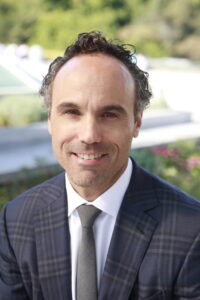
In today’s episode, we’re joined by Jason Erlich, an employment attorney who exclusively represents workers who have been treated wrongfully. Jason handles cases related to workplace disputes, such as wrongful termination, wage and hour violations, sexual harassment, and class action lawsuits.
In this episode, you will hear:
- The three things that make a successful direct client exam
- Preparing direct exam questions
- Things to prioritize for the direct exam
- Making last-minute changes to your questions based on the opening statement and witness testimony
- Visual aids he used in the courtroom
- Free-flow questioning vs. sticking to a script
Subscribe and Review
Have you subscribed to our podcast? We’d love for you to subscribe if you haven’t yet.
We’d love it even more if you could drop a review or 5-star rating over on Apple Podcasts. Simply select “Ratings and Reviews” and “Write a Review” then a quick line with your favorite part of the episode. It only takes a second and it helps spread the word about the podcast.
Supporting Resources:
If you would like to learn more about Jason and his practice please visit his website: https://erlich.lawyer/attorneys/jason-erlich/
If you have questions or a particularly challenging client preparation, email Elizabeth directly for assistance: elizabeth@larricklawfirm.com.
Episode Credits:
If you like this podcast and are thinking of creating your own, consider talking to my producer, Danny Ozment.
He helps thought leaders, influencers, executives, HR professionals, recruiters, lawyers, realtors, bloggers, coaches, and authors create, launch, and produce podcasts that grow their businesses and impact the world.
Find out more at https://emeraldcitypro.com
Episode Transcript:
Elizabeth Larrick: Hello and welcome to a new episode of Trial Lawyer Prep with me, your host, Elizabeth Larrick.
Thank you so much for tuning in to this new episode. We are beginning a series this month for trial and our series begins with an interview with a good friend [00:01:00] of mine and employment lawyer out of California, Jason Ehrlich. And I’m excited because he and I just recently worked together on a trial trial.
And so we are going to get together in this episode and talk about direct exam of a client. So I hope you enjoy it. If you have questions for Jason, all of his contact information will be in the show notes. We will begin the interview now. We have a super treat today. A very good friend of mine from California is tuning in for this episode.
Jason is coming in. So Jason, hello. Thank you so much for joining the podcast.
Jason Ehrlich: Thank you, Elizabeth. It’s a pleasure to be here.
Elizabeth Larrick: Fantastic. Well, we have a very exciting topic, which sometimes people dread, and that is direct exam of a client. And we can add in like a before and after too, but we’re really trying to talk about direct exam, not of treating doctors or physicians or experts.
We were really talking about regular [00:02:00] folks and trying to craft some questions and how to do that. So let’s just. Nail it down. Do you like it? Do you not like it? Let’s get to the nitty gritty.
Jason Ehrlich: Thanks, Elizabeth. I actually really, really enjoyed directing. The reason I like it is because it allows me to kind of fall into the background and let my client take the center stage.
My, my father was a reporter for over 40 years. And so growing up as a son of a journalist, he really instilled this idea of the six W’s and who, what, when, how, where, and why that was six. And so the, uh, the idea of, Asking questions in a open ended way is something that I grew up with from an early age.
And so I like to the direct because it keeps, I keep an open mind and I’m just acting and asking questions the way I think a juror would want to know the answers to. So I keep it conversational. I’m curious. And I [00:03:00] try to keep it simple.
Elizabeth Larrick: Well, you’re very fortunate because most of us have to go back and think about Larry King and like his interview style, but that is a very nice prompter.
So you’re sitting at breakfast and you’re getting the, what are you doing today? Why are you doing that? How are you going to do it? That was, that was like,
Jason Ehrlich: Yeah, not quite that bad, but I would tag along. And so I would listen to him ask and do interviews. Some people were not exactly open to being asked questions, and other people were.
And then it was, here’s a microphone in your face because I have to record this, and let’s talk. And so he had to both make them at ease and comfortable, but also then ask enough questions to get the information he needed. And so, yeah, he had to keep it And then of course, lower the barriers so that they didn’t feel like the microphone would disappear and instead it was just a conversation.
Elizabeth Larrick: Yeah, that is a wonderful primer. Cause that’s really, I feel like what a lot of us strive to do is have just a conversation and stay curious, even though we know all the answers and we’re trying to pull it out of this [00:04:00] extremely nervous person. Most of the time they’re very nervous or defensive, however you want to label it.
But, well, awesome. Let me then ask you, what would you consider a success? Successful client direct exam?
Jason Ehrlich: Well, I mean, I think there’s at least three things that I’d want to get out of a good direct exam. So I think, if not the most important, but certainly at the top of the list is honesty and and credibility of my client so that I, that the jury is con, is convinced that my client is believable and that they’re not trying to hide something.
They’re not. Lying about something important in the case and that they are kind of a human being. And so that’s the first one that I’m, I’m striving for. Second, of course, is the damages and talking about what I do, all employment law and discrimination, wrongful [00:05:00] termination, harassment, whistleblower cases.
And so what losing their job. It’s meant to them and why losing their job hurt and expressing that. So getting those damages kind of questions and answers out. And then the third successful part would be addressing any kind of lingering issues that I believe the jury is wants to know that only my client can tell.
Primarily by the time our clients are testifying, they’ve heard, the jury has heard from many other witnesses. And so the client doesn’t need to tell the whole story. And instead, it’s about filling in gaps of information that I think maybe the jury hasn’t heard because the plaintiff client is the only person who can testify about those issues.
And I think the other fourth goal would be neutralizing any lines of attack that I think the defense might come after the [00:06:00] client for. So getting out in front of it, like, I know this issue is going to come up in the cross exam of our clients. So let me get it out front and put it on the table before they get a chance to And by the time the defense comes up to do their cross there, it’s already, the jury’s already heard it.
So it’s just, it’s boring and, you know, rehashing old news.
Elizabeth Larrick: You try to have any kind of entertainment or ? Well, ’cause I mean, sometimes we gotta keep ’em awake. When I say we, I keep the jury awake. I do wish,
Jason Ehrlich: yes, I do wish I could bring a band in or some sort of side entertainment . But yeah, I mean, I think.
visual aids, demonstratives, has slightly different terms for it, but something to draw the juror’s attention. So it’s not entirely focused on a ping pong ball of question, answer, question, answer. So yeah, I think I definitely, if I can bring in a chart or [00:07:00] a timeline or some sort of even having bullet points up on a poster board so that the jurors can follow.
My client’s testimony and the follow my question. So we know, Hey, we’re on this topic and let’s talk about that for a while. And now we’re shifting to a different topic. And let’s talk about this for a little while.
Elizabeth Larrick: Well, some people may think that part of your honesty and making sure people appear genuine is that we need to elicit some kind of emotional response from our clients when they’re up on the stand.
What are your thoughts
Jason Ehrlich: on that? I think whatever emotional response from our client has to be genuine. I think if it’s not genuine, um, and it’s not authentic jurors, we’ll see that. So I think I, my, my goal is never to try to draw tears or get an emotional reaction from my client. I think [00:08:00] sometimes it just comes naturally.
I mean, they’re, they are reliving a part of their life that was very difficult. the emotional feelings behind that, that point in their life will come out naturally. So yeah, so I don’t think, and I’ve had direct exams where the clients have been stone faced and not emotional at all. And I think it can be just as good.
And it doesn’t mean that they’re any less authentic or that they’re any less truthful or believable.
Elizabeth Larrick: Gotcha. Well, let’s talk about what you do or how you prepare your direct exam questions. Let’s talk, let’s start there.
Jason Ehrlich: What I start with is usually, of course, the plaintiff has been deposed in
Elizabeth Larrick: all cases.
Or in your case, like three times. I’m sorry, say again,
Jason Ehrlich: two or three times.
Elizabeth Larrick: Or in your case, like three or four times. That’s
Jason Ehrlich: right. Yeah. And so there can be a lot of information in the deposition, but I don’t start with the deposition. What I [00:09:00] start though with is What are the issues in the case and that I expect the jury wants to know about.
So if I have had a good sense through preparing my client for their deposition, you’re a fan and so am I of using focus groups to try to gather information about our cases. And so if I have a good sense of what. Those issues are that are kind of burning issues in the case, I will use those, those issues first as a, the jury is going to be focusing on these questions, and they’re going to be wanting to know the answer so let’s get those out.
And let’s get down the story, how we can address those issues. So that’s usually the first step. thing I have. Um, then of course, we have a timeline with my for employment cases. The [00:10:00] events that led to their losing their job can take months or years. I mean, these things could be a lot of information going back a very long time.
And so having a very clear timeline that everyone can follow, it helps them remember, helps our clients remember what happened. And when things happened and in, of course, then the deposition is important because if there’s any chance that there might be some inconsistencies in their testimony or that they’ve said something that was, you know, it’s sort of in stone, it’s written there.
So we have to say, okay, is this, is there more to the story that you didn’t have a chance to talk about in your deposition? So those are the main ones. And of course, in preparing my clients, I think. We really have to address their emotional fears and their worries and how they going to court and being in court and testifying in court is foreign to them and they’re gonna be scared that that’s what [00:11:00] the walk I think the walk from the the gallery to the witness stand may be the longest walk they have to take and then they’re sitting there in this hot seat and having 12 strangers plus a judge and everyone staring at them.
Is something that they’re going to probably hopefully never experiencing it in their life. But if they’re there, we get to talk about it. So those are kind of the main things that I use to prepare for direct.
Elizabeth Larrick: Do you, as far as one of the things that I always encourage lawyers to do is even though it feels like.
And I use it with clients too, which is like, what are the questions that jury’s going to have to answer? And like you mentioned earlier, what are things that only my client can fill in the gaps on, especially when it comes to the questions. And I think that that’s just a helpful guideline. Cause it’s not that we forget, but there’s so many other things going on.
Like what are the cross exam points and what are the weaknesses overall of this person? And what do we know? Focus groups have told us just not, not shucking and [00:12:00] jiving that we kind of have to fix. So
Jason Ehrlich: Yeah.
Elizabeth Larrick: Always helpful to keep that in mind. And I think it’s also just talking about working with a client, helpful to get their mind around like what the jury is doing, because I think so many people, it’s like, they’re making my life decision, this huge decision.
And it’s like, okay, well let’s simplify it. Let me just show you really what these questions are to help feel like, okay, this is not as big and broad and scary. Like it’s just. Yeah.
Jason Ehrlich: Yeah, it’s a challenge because I think many people who bring a case and that I represent think they have to carry the whole weight of the case on their shoulders.
And even way before we get to trial, even getting to the deposition, they feel like the whole case rests on their shoulders and helping them understand that it doesn’t. And that by the time we get to jury trial, they are just one piece. of a puzzle. If we took a chart of a hundred percent of how the jury is deciding them, they’re just this one little [00:13:00] sliver of the pie, or one little sliver of the pizza that they have to address.
And sometimes it’s an important part. It’s not just, you’re just reduplicating or re testifying of what everyone else heard. But it’s an important part of the case that I suspect or believe the jury wants to know. So we got to get that addressed and preferably early. I mean, if I think it’s a very important part of the case that the jury is going to want to know the answer to, that might be one of my first questions.
You know, just right out the gate or a series of questions right out of the gate because I know it’s likely to be still burning or lingering in the air from for the jury and they want to know the answer to it.
Elizabeth Larrick: Yeah, and that’s kind of one of the things to like getting your subjects or your topics ready but then how do you prioritize them so you mentioned, like, if there’s something that is.
Maybe lingering from opening statement or other witnesses that that seems to make top priority. Is there anything else that you put at the top of [00:14:00] your list of questions for direct exam?
Jason Ehrlich: Well, I think I like to lead. And I’ve had some success, I think, with the things that the jury might be holding on to, to blame the plaintiffs.
That the plaintiff should have done something different, or if I was in that situation, I would have done something different. Or if it was me, I would have called HR sooner, or if it was me, I would have told my boss to go stuff it, instead of doing what the plaintiff did. So if I think that is a lingering issue and it hasn’t really been addressed through testimony or evidence, then I think I’d just come out swinging with it with the plaintiff and like, why didn’t you go to HR sooner?
Why didn’t you tell that boss to go put it where the sun don’t shine or whatever it is? That I think some jurors may be thinking the plaintiff should have done. So I think that’s sort of my priority, [00:15:00] but if that’s not there, then I think I’d like to go into the humanization, the honesty, credibility part of my client so that I often feel like the plaintiff is just a name if they’re in the courtroom.
They’ve been sitting there silently for days, if not weeks, and the jury is staring at them, maybe putting images or putting thoughts about who this person is. Everyone else is talking about the plaintiff. Everyone’s talking about the plaintiff’s name is. Mentioned every single time the judge calls the case to order.
And so it’s like, who is this person? And so when we’re finally getting them up to the stand, let’s bring it back. You’re just like everyone else. You have a family, you are married, you have kids, whatever the things that would bring them back down to like, this is my neighbor, this is somebody I can relate to.
This is somebody I know is right up there close to the top of the list.
Elizabeth Larrick: Yeah. And I want to take you back to something you said, because I think [00:16:00] employment cases are Obviously, I think they’re really difficult, but one of the reasons why is what you pointed out because every person on that jury is putting themselves in that point of view of your client.
They’re not in the point of view of the boss of the company. They are automatically going to be. Much more defensive to pick it on your client. And I always think the jury is going to look harder on the plaintiff because that would be their position. Right. And now occasionally, you know, like in car wreck cases, it’s like, Oh, well, yeah, I could have done exactly what the defendant car driver did and just accidentally roll into somebody.
And then that makes the point of view, like really, really difficult, but they’re really critical because they so easily see themselves in your client’s shoes. And. I think so many people, and because we all have to work, like have had a situation where we did have something that bad happened to us at work and [00:17:00] we just went on with it, you know?
And so it’s that whole, well, I didn’t get anything. I didn’t get to file a lawsuit. Like nobody gave me any extra money for having to do all the extra work or taking the terrible comments or that kind of stuff. I mean, you mentioned like putting that like breath. Top. Is there anything else that you and humanizing them, like bringing them back down?
Is there anything else that comes to mind to kind of, I guess, bring everybody around? I mean, like loosen up that hole that they may have to that point of view.
Jason Ehrlich: Well, I mean, I think what happens or can happen for some people is because they may be judging my client, that If I can get the testimony out that That makes sense that now I see why the plaintiff waited because they’re scared of retaliation.
So they didn’t go to [00:18:00] HR the first time something bad happened, which in many of my employment cases, that’s a defense. We’ve got this great HR department and why didn’t you come Running to HR as soon as we’ve got this 800 number and we’ve got the anonymous complaint and the website and you just waited and we had no idea that this was going on.
And I think by the jurors who do work, they are all employees and they know the reality of the workplace that if you run to HR, you kind of put a target right on your back. And if you’re doing something. It’s going to be at the last straw before you go to HR. So once we get that idea out there through either plaintiff testimony or perhaps sooner, then it becomes less like, Oh, I’m blaming the plaintiff, whereas, Oh yeah, if I was in that person’s shoes, I would have done the exact same thing.
So. Sometimes it can happen before we get the plaintiff to testify and before my clients are testifying, but yeah, the [00:19:00] idea of course, just kind of shifting it from that makes sense. Yes. If they were thinking initially I would have done something differently, but once they hear the story, it’s like, okay, yeah, that’s probably what I would have done too.
I would have waited. I would have waited two, three, four months or however long I would have waited. I wouldn’t have run to HR the very first time. Simply that.
Elizabeth Larrick: Yeah. And that makes me think of an example. So all trials are challenging. I would say this one had an extra layer of stress because You guys, when I say you guys, you and your cohort co counsel, who I will have on podcast soon, no pressure, Bijan going to come on.
It had just been continued and continued and continued and continued like so many times. So when you guys finally came down to rumble in the jungle, it was just like, Oh my gosh, like, thank goodness. Like a little bit of relief, but just like so much pressure. But you had a client who there was a worry.
Because the humanizing was going to be difficult. [00:20:00] There was a waiting period for her, plus there was a correction. So walk us through like thinking through that, the question, correct the question and prioritizing that and how you prioritize her questions.
Jason Ehrlich: Yeah, I think, yeah, it was challenging. I mean, she was very shy initially.
And so she had a guardedness about her, which interestingly came out through other testimonies. So that I think through testimony of her friends and her coworkers, That she was shy and that she was a little guarded. She wasn’t shy. That’s kind of not quite the right word. She was guarded. And so she waited to see before she spoke, she took in things.
So it was a bit challenging to get her to talk openly and honestly, but it also then sort of reflected how she reacted to the bad situation because she was not. Oh, I’m going to go straight to HR as soon as the bad thing happened for her. [00:21:00] It’s like she was put my head down and I’m going to do a good job and everyone will see that I’m doing a good job.
I’m not the complainer. I’m not the person that just goes and reports to HR immediately. I do a good job and I work hard. People, managers, supervisors, bosses will see that. And so. It’s helped understand why and how she reacted to the bad stuff that happened. So when I was, you
Elizabeth Larrick: guys put that, like you put that the hardworking, you put that first and foremost doubles to the jury, right?
I mean, you prioritize that like hardworking, great reviews. That’s
Jason Ehrlich: right. And that’s right. Now we did, we sort of led with that. I think because we knew there was some attacks that they were likely to, the defense was likely to make or some lingering questions from the jury, but. Yes, we led with that because it was so important what we had learned through focus groups and through other means that it was important that she, they knew that she had this great performance [00:22:00] history.
I mean, she had 10 or 11 years of outstanding performance reviews, and it was in contrast to the bad supervisor who criticized her for things that Were not reflected in her 10 or 11 great performance reviews. So that kind of compare and contrast really drove it home to the juror. Like this bad supervisor was way off the mark.
I mean, you’ve got eight or 10 or 12 other supervisors saying she does a fantastic job. And this guy, he did this horrible harassing thing. It like, it just made it clear that this was not. A bad employee. This was a hardworking employee. So yeah, we led the testimony with her, with that, just to get it right out there for them to see and highlight, like, again, the things that the company and the employer was criticizing her for all the other reviews praised her for it.
She’s good with interviews and she’s good with working with our clients. And then that was so clear again, just like that drumbeat again. And [00:23:00] again, every review, I would just brought it up. Highlighted it and asked her about it. And so it was just that kind of steady drumbeat throughout the first part of her testimony.
Elizabeth Larrick: And I think that also contrasted, and this is kind of another part of, we haven’t really talked about, which is like making those last minute changes to your order or in your questions based on opening statement and witness testimony. And one of the things that was predicted, maybe this is going to be what the defense goes with, but then it was very clear, this idea that she was like, Just going to drop it all and go do a completely different job.
So how did you guys handle that defense point?
Jason Ehrlich: Yeah, so it is, it’s hard. Yes. When I was crafting the direct bullet points and my subject matters and topics that I want to talk about. And then, yeah, it’s like, okay, cut it, cut it, cut it. And it’s hard. It’s like, well, I want to talk about this. The jury doesn’t need to hear it.
Again, and then we did know that there was going to be an attack that [00:24:00] our client quit her job, and the law recognizes that if a company makes it so bad that you are forced to quit, that is essentially a termination by the company. And we suspected that the defense would really harp on that and that they would try to say things weren’t that bad and she really was interested in, you know, going around the world or choosing a completely different career.
Transcribed And so by the time we got there, I mean, we had to get some questions answered about her, why she left and also that she didn’t leave because it was a career change or she really wanted to go in a different direction now. This is anecdotally afterwards. I spoke with one of the jurors after the trial and he said, my God, I don’t want to hear any more about this other job that your client took you was, it was like you guys and everyone in that courtroom was like, so what, which we suspected was true, [00:25:00] but there was enough.
feedback from before that we weren’t sure. Like we didn’t know, but I think yes, it did feel like whipping a horse too many times. So yeah, but that’s one anecdotal juror comment afterwards, but he clearly was tired about hearing about this other job that she took.
Elizabeth Larrick: And you guys had a successful outcome.
Jason Ehrlich: We did.
Yes.
Elizabeth Larrick: And can we add been appeal or?
Jason Ehrlich: Yeah, it’s public record. So I can, of course, yeah, it’s not yet appealed. It is pending with motions, the motions for a new trial and judgment not withstanding the verdict. They filed that and we filed our opposition. So we’ll be having a hearing probably by the time this, you errors.
We’ll have an order, knock on wood, suspect that the judge will not reverse his the verdict. And then, yeah, I, many times they are appealed. So I would expect the same in this case.
Elizabeth Larrick: Yeah. Yeah. Congrats on success because that, I know that one was a long one. And, you know, for other [00:26:00] folks who are listening and maybe don’t know the trial practice in California, you guys had to try the case over a series of weeks, half days, not full weeks.
I would feel so like, oh my gosh, are they remembering what we said? You know, yes. We could go, oh, are they remembering having those. Continued fears and like, okay, let’s just cover that base. Like just to be careful. I always say, Hey, if it takes one question, two questions, five minutes, just do it and clear conscience and you can move on.
Jason Ehrlich: Yeah, it’s true. Yes, it was challenging. We were three days a week, which horrible Monday, Thursday, Friday schedule. And so, yeah, we ended up with a case that we probably all in including jury selection was nine. Court days, which from soup to nuts, we could have done in less than two weeks, but it dragged out for nearly a month because three days a week.
Anything. And that was actually through deliberations too. So if it had been an every day, we would not have taken nearly as long.
Elizabeth Larrick: Right. Yeah.
Jason Ehrlich: But I think the jurors, I think they were proud. I think they felt [00:27:00] empowered. They felt that it was a unanimous verdict, which was always a nice feeling that everyone agreed.
So yeah, I think we weren’t sure, but they work together and they liked each other. And. And again, from feedback, they weren’t throwing papers or pens at each other. And so it was. Yeah, it was a good group of people.
Elizabeth Larrick: Yeah, that’s a good feeling. Well, I want to ask you about one more thing before we wrap up our time, and that is visual aids, demonstratives.
So you mentioned a timeline or maybe a topic list, and you just mentioned that one example of going through the reviews and highlighting, obviously using some technology to highlight, ask questions, making that an easy, fun way to go through something quickly. Do you have any other examples of other visual aids or demonstratives that you’ve used in other trials?
Jason Ehrlich: We’ve definitely used, as I said before, timelines. I have [00:28:00] become a fan of low tech, writing the poster board or the flip chart, different things, and writing it as it goes along. And sometimes we, for example, if I’m talking about emotional distress with my client, and I know there’s a few hot button issues.
That I, I both want to emphasize that the emotional distress of losing the job was so devastating or so hurtful to the, to my client. I want to bring that up, but then I know likely that the defense is going to argue, no, no, no. There was an alternate stressor. You had a divorce. You had a child custody issue.
You had some other stress in your life and that’s going on at the same time. And that’s what you’re emotionally distressed about. So then I will, old fashioned, I’ll just, we’ll write it up. I’ll just write it up on a poster board. So sometimes I’ve done before and after, before the termination, [00:29:00] how did, was this level of stress for you after, what is it?
Or quantifying zero to 10. You had cancer, you had a divorce, you had, where does that rank? Okay. Cancer was a five. Why is it a five? Oh, it’s because I dealt with it. I recovered or I had the treatment and it’s over and it’s in the past and I know it’s in remission. Okay, got it. The divorce. Well, that’s a three.
Well, come on. Let’s be honest. It was a little higher before, wasn’t it? Oh, yeah, yeah. What was it? It was eight or nine. Get that kind of authenticity, that honesty from them about the issue so that they’re not minimizing it, really telling us how it was. But now, the divorce doesn’t matter to me. That was three years ago, two years ago, whatever it might be.
Oh, let’s talk now about losing your job. Where does that stand? Okay. How was it the day or the weeks after losing your job? It was a nine or a 10. Okay. Where is it today? It’s an eight. Help explain to the jury, tell the jury why [00:30:00] this is still there. And so using, it’s a very simple chart, but at least I can use it back in closing if needed.
Remember when the plaintiff testified her emotional distress to this day is still an eight. And that’s why the damages that I’m going to request are appropriate or valid.
Elizabeth Larrick: Yeah,
Jason Ehrlich: definitely. So yeah, so very low tech visual aids. I think it breaks up the testimony, it gives the jury to focus something to focus on, and it feels teaching.
You’re educating, you’re helping them understand the information that’s coming out.
Elizabeth Larrick: Do you get worried that the defense is going to write on your exhibit?
Jason Ehrlich: No. Have
Elizabeth Larrick: you ever had that happen? I just said, Oh, you haven’t. Oh, I know I have. I totally have.
Jason Ehrlich: How’d it go?
Elizabeth Larrick: Well, there’s not much you can do. There’s not much you can do. It’s one of those moments in trial where you realize like, they’re looking at you, like [00:31:00] waiting for you to react like objection or whatever.
And so it’s like, I feel like one of those moments where you’re just like, cool as a cucumber, cool as a cucumber, like, Oh, Oh, that. Okay. Well, he didn’t enhance it, but I just. You just kind of got to go with the flow and
Jason Ehrlich: yeah, no, I guess I haven’t had that experience. I feel like the only thing the defense wants is it’s down as fast as they can get it down.
That seems to be the go to move. Get that out of the jury space. Don’t keep reminding them what was just testified to.
Elizabeth Larrick: I’ve even had them get like a sticky pad out and write what they want on the sticky pad and then ask the question, like, start putting it on the exhibit. Again, there’s, there’s very little you can do.
And it’s almost like that. And like making that decision to get back up and ask more questions. Like, do you do it? Do you go back and do you like tear it off? Or do you just like, you know what? Like it’s. If I do that, like, I’m going to draw so much more attention to that point they made and really it’s small.
So,
Jason Ehrlich: and I, I keep going back [00:32:00] to, and the, one of the powers of, is it important to the jury? Because sometimes there’s so many things flying around the courtroom and it’s so challenging because you want to talk about it all and you want to address every single thing. And it takes all the power that I have to say, let it go.
It’s not important. It hasn’t been important to them and it won’t be important to them now. And so, yeah, it’s a tough call. And yeah, there’s a, the lawyer instincts as you have to address every single thing that is said. So yeah, I mean, I guess, yeah, I think, and that’s even on the redirect is about, does it help or is it, did the defense get any score, any points?
And if they didn’t. Let it go. Even if they’re talking about something again and again and again, if they’re not scoring points, you don’t need to go try to go up there and do anything
Elizabeth Larrick: in response. Yeah, and I think that’s the other part that’s difficult about direct exam is [00:33:00] knowing that line and And I, again, I just feel like you and John and other people that I know that do focus groups, that will give you a little bit of confidence to know, like, I’m going to let that lie.
Like I’ve done focus groups. I, the attitudes are that this is not a big point. Like I’m not going to keep wasting. I’m not going to waste time on that. So
Jason Ehrlich: yeah. Yeah.
Elizabeth Larrick: Awesome. Well, okay. One last question. Cause I know that some people, yeah. Do this or don’t do this. And I’d like to get your take on it. Some people like to work with their clients ahead of time with the exact questions they’re going to ask.
Some people don’t do that. They’d rather have more of a free flow, just kind of tell the client what topics they’re going to talk about. Which way do you lean?
Jason Ehrlich: Yeah, I lean towards the free flow, hitting the topics partly because. I think it, there’s so much information and there might be a natural inclination to, okay, if this is the question, this is how I’m supposed to answer.
And then it feels [00:34:00] scripted. It feels like you’ve practiced it and just a play or a, it’s not real, it’s not authentic. So I tend to take with the high level, which is the topics, this is what we’re gonna talk about also because I made. mess up myself. I may forget the question or the order of the question or the way that the person, my client answers, I have to pivot and talk about what came out of their mouth.
I can’t just rigidly stick to a script and this, this, this. So I have to be ready to pivot and then and then bring it back to perhaps the main thread of our topic that we’re covering. But there are a few times that I do ask them specific questions and because it’s important, I’m going to ask this question and you’re going to have to answer it because it’s an important point that we’re trying to to get home in the case.
Elizabeth Larrick: Yeah. And I think sometimes agree with the free flow. And I guess one of the places where when you talk about specific questions is I always try to at least practice with them with hearing how I have [00:35:00] to ask a question. Now you probably don’t have to do that because you naturally are the who, what, when, where, but sometimes I have to be like, okay, when we talk in conversation, We just take things for granted and this, that, and with the judge there and the defense lawyer, they may jump up and down and like, not like my question.
So I, you’re going to sound funny. Just hang with me. What were you doing? What is this? And it’s just kind of like, that’s not what did you observe? That’s right. Yeah. What was your experience? And that’s one of the things I, especially before and after witnesses and fact witnesses, I’m like, this is going to sound like super, like I’m a robot.
What did you experience? So what did you take away, you know, like, it’s like, Oh, that’s not how we would normally talk to each other. But you, because I got a little somebody behind me, who’s ready to jump up and down and just know that if they do jump it up and down, it’s totally okay. We’ll reset. I’ll come back at it a different way.
And there are definitely times where I will write out. [00:36:00] my plan A, plan B, plan C, knowing like they’re, they’re going to jump up and down, whatever it may be. So
Jason Ehrlich: absolutely. Yeah. I think, yeah. Keeping yourself flexible, expecting and anticipating that that’s important and critical. Yes. The defense will likely try to gum up the works.
And so, yeah, I think that’s right. A, B and C plans are important. And sometimes it’s also in our minds, or at least in my mind, I need to hear the words come out of my client’s mouth, but I can forget because that it’s about the emotion that’s coming out of the client’s mouth. And it’s about their feeling and their presence and the words.
I mean, I’m not an expert on nonverbal persuasion, but how we talk and how we communicate is important. is as important as the words that are coming out of the client’s mouth. So I will read the transcript later and say, my God, the client didn’t say anything that I wanted them to say, [00:37:00] but the emotion was there and the feeling was there.
And that was what was needed.
Elizabeth Larrick: Yeah. I think sometimes we Because we know body language and tone are so important. Sometimes we worry about the fidgeting or the, and I just say like, we really have to focus our energy. That may be just something we got to let go. We’ve got to focus energy on really helping them feel organized in what they’re going to say and also be ready to be vulnerable.
So awesome. Well, any other high points or any other tips or suggestions that you have for the audience?
Jason Ehrlich: Yeah, I mean, I think there’s no doubt that you have to prepare. Anybody who thinks they can just go in with their client the day of is of the trial or five minutes before they’re about to get on the stand and all right, this is what I’m going to ask you or anything like that.
No, it’s never going to work. And so, yeah, preparing, preparing, preparing. I can’t stress enough that that is so critical for me. in getting ready for my [00:38:00] own sense of nerves or my own sense of, but also that the client then, because if I’m nervous or I’m worried, it’s going to reflect to how the client feels.
And so preparing and getting ready and working with the client is so critical to a good direct exam.
Elizabeth Larrick: Yeah, absolutely. Mindset is so important. I always tell all the folks that I work with, all of my clients, like, listen, you got to go with the mindset that jury is there to help you. And just know that those folks in that box, they want to do their job and they want to do it right.
Right now. It’s like the ultimate fear, like they’re, that they’re going to make the wrong, but just know, like, they really want to do their job and they want. Do it right. And having that mindset going in, I feel like some say, okay, they’re not the enemy. They’re
Jason Ehrlich: absolutely right. Yeah. Yeah. And they take it seriously and they really do.
And they want to get it right. And they will. Yeah. And if you accept that they are smart people and you [00:39:00] can’t pull the wool over their eyes and that they don’t like BS and, and that you can trust them. And yeah, it is a challenge. When all the evidence is coming in, let’s say these are smart people. They know how to, they can, they’re average people.
They can smell the good and the bad. I have to just lay my head down at night and trust that they’re, they know how to, and they’ll get to the right place.
Elizabeth Larrick: Yeah, that true for, yes, mindset true for us as well as the one standing up under fire sometimes. So, well, thank you so much for jumping on this podcast.
I know folks appreciate it. I will put your contact information, your website, all the show notes. So if y’all have questions for Jason or you think, and gosh, I just love employment law and I want to learn more about it. Reach out to Jason. Cause I don’t know. Well,
Jason Ehrlich: thank you, Elizabeth. It was a real pleasure.
I really enjoyed this.
Elizabeth Larrick: Oh, good, good. Thank you so much. so much.
[00:40:00] You